
Built to Evolve: How Engineering Extends the Value of LED Lighting
Customer insight, real-world experience, and thoughtful design extend the value and relevance of lighting systems over time.
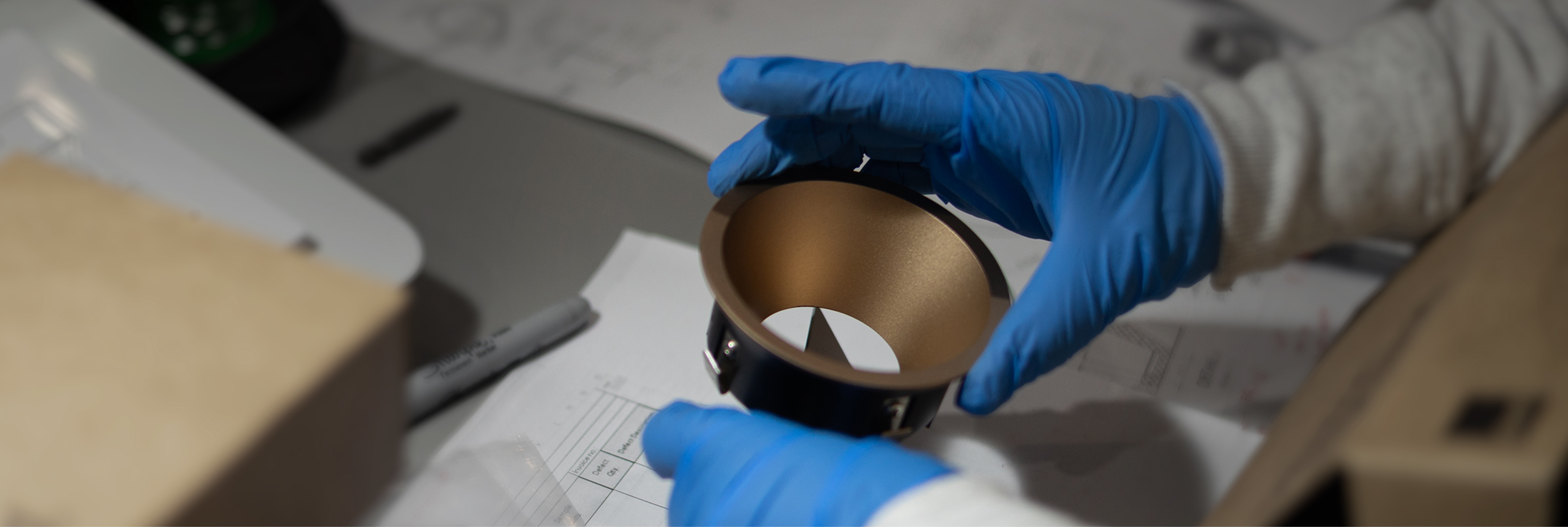
LED technology transformed the lighting industry by extending light source longevity and reducing maintenance requirements associated with traditional lighting technologies. But as the first generation of commercially viable LED downlights, introduced in the mid-to-late 2000s, approaches two decades of service, the industry is entering a new phase of LED ownership.
While LEDs offer significantly longer operating lives, no lighting system remains immune to component failures, evolving technology, or changing project requirements. Building owners and facility managers are beginning to face a different set of questions: What happens when an LED system eventually needs to be updated? Can individual components be serviced or replaced? How can lighting systems adapt to changing technology and project requirements without unnecessary disruption?
These questions point to an increasingly important consideration in lighting design: longevity alone is not enough. Products must also be designed to accommodate change.
At DMF Lighting, that philosophy is reflected in an engineering-driven approach to product development that considers not only how a lighting system performs today, but how it can continue to serve customers as needs evolve.
Designing Beyond Installation Day
A thoughtfully engineered lighting product should do more than meet its initial performance specifications. It should account for the realities of installation, operation, future servicing, and the possibility of changing technology.
At DMF, these considerations enter the product development process from the beginning. Engineers evaluate performance, aesthetics, installation requirements, and reliability while also considering how products will function in real-world applications over time.
This means looking beyond immediate design objectives to consider how a product might adapt over time. Can individual components be serviced or replaced? Can the product accommodate future improvements? Can its design address the practical challenges of installation and ongoing maintenance?
These considerations influence product architecture and help guide decisions that support long-term flexibility. By considering serviceability, adaptability, and real-world installation challenges early in development, DMF aims to extend the practical value of its lighting systems beyond their initial installation.
Engineering Solutions for Real-World Challenges
As buildings age and lighting technology evolves, renovation projects can present unexpected challenges. Existing conditions, installation constraints, and changing design preferences often require solutions that go beyond a product’s original intended application.
DMF approaches these situations as opportunities to apply engineering expertise to real customer needs. A good example is DMF’s 8″ to 4″ Retrofit Conversion Kit. Originally developed as a 6-inch-to-4-inch conversion solution, the product evolved in response to an unexpected challenge during a high-ceiling renovation at a prominent hospitality property.
The project team initially believed the existing recessed housings were 6 inches in diameter. Upon closer inspection, however, they discovered the housings were actually 8 inches. Recognizing an opportunity to address the customer’s needs, DMF expanded the product’s capabilities to accommodate the larger housings.
The resulting solution allowed the project team to achieve the desired smaller aperture while retaining the existing housings. It also demonstrates how listening to customers and responding to unexpected project requirements can influence product development in meaningful ways.
Engineering Informed by Real-World Experience
Not every product improvement begins with a major technology advancement. Sometimes, the most meaningful refinements come from observing how a product is installed, adjusted, or used in the field.
DMF actively seeks feedback from contractors, designers, and other industry professionals throughout the product development process. Sharing product previews and gathering input before broader market introduction helps identify opportunities for refinement and improvement.
This Voice of Customer approach recognizes that the people working directly with lighting products often identify challenges that may not be apparent during initial engineering or laboratory evaluations.
Contractor feedback led DMF to refine the bar hangers and housing brackets used across its Premier product line, including X and M Series housings. While the original robust bar hangers met applicable code requirements, contractors found that shortening the hangers to the desired length required a saw rather than allowing them to be easily snapped or broken in the field.
Installer feedback also identified an opportunity to improve how the housing brackets fit against joists. Supports on the bar hangers prevented the housing from sitting flush against the joist, creating installation challenges in tight spaces. DMF refined the design to allow the housing to sit directly against the joist, providing greater installation flexibility.
These refinements illustrate how engineering can evolve through a better understanding of the conditions contractors encounter on the jobsite.
Small Design Details, Meaningful Improvements
Customer feedback can also drive refinements that enhance optical performance and improve the installation experience.
During the development of its True 1, DMF’s 1-inch-aperture downlight, a designer identified a color inconsistency when the fixture was installed close to a wall. The phenomenon, known as Color over Angle (CoA), is a common industry challenge with ultra-small-aperture fixtures, where a limited light-emitting surface and tightly packed optics leave little room for color mixing.
To address this challenge, DMF’s engineering team refined the lens with additional etching to improve color consistency across viewing angles and installation conditions.
DMF also made refinements to improve installation and adjustment. The hex screw used for hot aiming the adjustable heat sink was changed to orange for greater visibility, and an orange identification mark was added to the adjustable trim to indicate its proper orientation.
These are relatively small design changes, but they address real-world challenges. They also demonstrate an important aspect of DMF’s approach: product refinement isn’t limited to major engineering advancements. Paying attention to the details that affect the people installing and using a product can make a meaningful difference in the overall experience.
Continuous Improvement Is Part of Good Engineering
The examples illustrate how DMF’s product development process extends beyond the initial design and introduction of a product. Feedback from contractors, designers, and customers provides valuable insight into how products perform in real-world applications and where improvements can make a difference.
Whether simplifying installation, refining optical performance, or addressing unexpected project conditions, DMF approaches each challenge as an opportunity to make its products better.
This commitment to continuous improvement keeps product development connected to the realities of the field and reinforces the importance of designing solutions around the people who specify, install, maintain, and ultimately own lighting systems.
Designing for What Comes Next
As LED technology continues to advance, the ability to adapt will become an increasingly important measure of product value.
For architects, designers, and specifiers, this means considering more than initial light output, aesthetics, and energy performance. It also means evaluating whether a product can accommodate future changes, simplify servicing, and provide flexibility as project requirements evolve.
For building owners, it means looking beyond the initial purchase price and considering how well a lighting investment can serve the building over time.
DMF’s approach is rooted in the belief that good engineering anticipates these needs. Through thoughtful product architecture, practical problem-solving, and continuous refinement informed by customer feedback, the company works to develop lighting solutions that remain relevant as technology and customer expectations change.
As a family-owned, engineering-driven manufacturer, DMF continues to invest in solutions that address real-world challenges while supporting long-term value.
Because the best lighting products aren’t simply designed for the day they’re installed. They’re designed to remain useful, adaptable, and relevant for years to come.