April 9, 2021

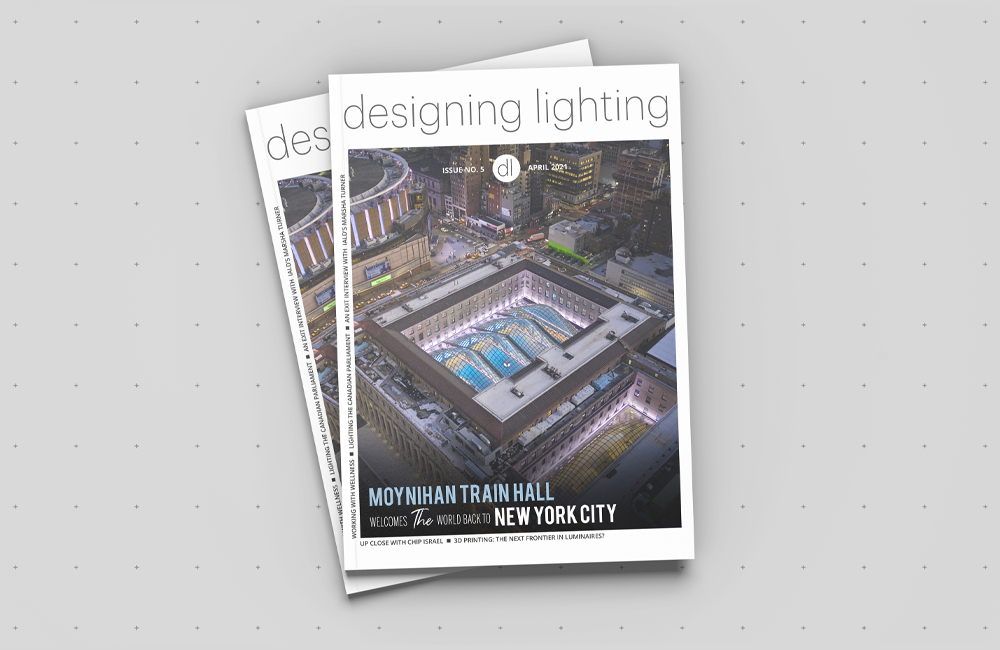
designing lighting is focused on the Business of Lighting Design™ and provides business information to the lighting design community. In addition to the website, designing lighting publishes bi-monthly online magazines featuring original content, interviews within the community and highlights successful and award-winning lighting designs.

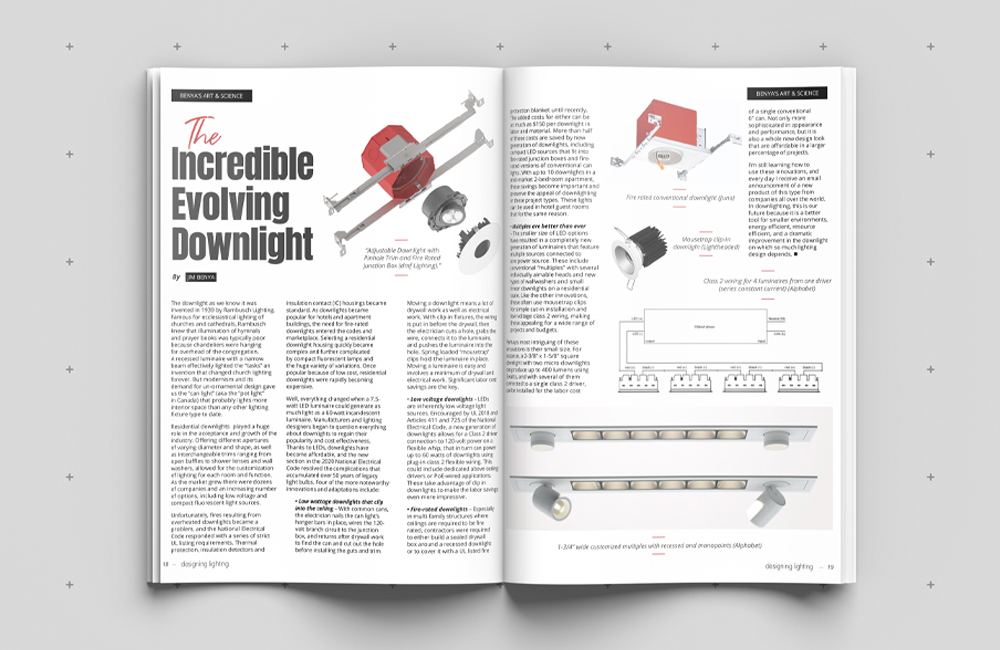
In the April 2021 issue, Benya’s Art & Science section featured a fascinating article on the history of the downlight, covering everything from their origin to their latest features.

The Incredible Evolving Downlight

By Jim Benya

The downlight as we know it was invented in 1939 by Rambusch Lighting. Famous for ecclesiastical lighting of churches and cathedrals, Rambusch knew that illumination of hymnals and prayer books was typically poor because chandeliers were hanging far overhead of the congregation. A recessed luminaire with a narrow beam effectively lighted the “tasks” an invention that changed church lighting forever. But modernism and its demand for un-ornamental design gave us the “can light” (aka the “pot light” in Canada) that probably lights more interior space than any other lighting fixture type to date.

Residential downlights played a huge role in the acceptance and growth of the industry. Offering different apertures of varying diameter and shape, as well as interchangeable trims ranging from open baffles to shower lenses and wall washers, allowed for the customization of lighting for each room and function. As the market grew there were dozens of companies and an increasing number of options, including low voltage and compact fluorescent light sources.

Unfortunately, fires resulting from overheated downlights became a problem, and the National Electrical Code responded with a series of strict UL listing requirements. Thermal protection, insulation detectors and insulation contact (IC) housings became standard. As downlights became popular for hotels and apartment buildings, the need for fire-rated downlights entered the codes and marketplace. Selecting a residential downlight housing quickly became complex and further complicated by compact fluorescent lamps and the huge variety of variations. Once popular because of low cost, residential downlights were rapidly becoming expensive.

Well, everything changed when a 7.5-watt LED luminaire could generate as much light as a 60-watt incandescent luminaire. Manufacturers and lighting designers began to question everything about downlights to regain their popularity and cost effectiveness. Thanks to LEDs, downlights have become affordable, and the new section in the 2020 National Electrical Code resolved the complications that accumulated over 50 years of legacy light bulbs. Four of the more noteworthy innovations and adaptations include:

Low wattage downlights that clip into the ceiling – With common cans, the electrician nails the can light’s hanger bars in place, wires the 120-volt branch circuit to the junction box, and returns after the drywall work to find the can and cut out the hole before installing the guts and trim. Moving a downlight means a lot of drywall work as well as electrical work. With clip-in fixtures, the wiring is put in before the drywall, then the electrician cuts a hole, grabs the wire, connects it to the luminaire, and pushes the luminaire into the hole. Spring loaded “mousetrap” clips hold the luminaire in place. Moving a luminaire is easy and involves a minimum of drywall and electrical work. Significant labor cost savings are the key.

Low voltage downlights – LEDs are inherently low voltage light sources. Encouraged by UL 2018 and Articles 411 and 725 of the National Electrical Code, a new generation of downlights allows for a Class 2 driver connection to 120-volt power on a flexible whip, that in turn can power up to 60 watts of downlights using plug-in class 2 flexible wiring. This could include dedicated above ceiling drivers or PoE-wired applications. These take advantage of clip in downlights to make the labor savings even more impressive.


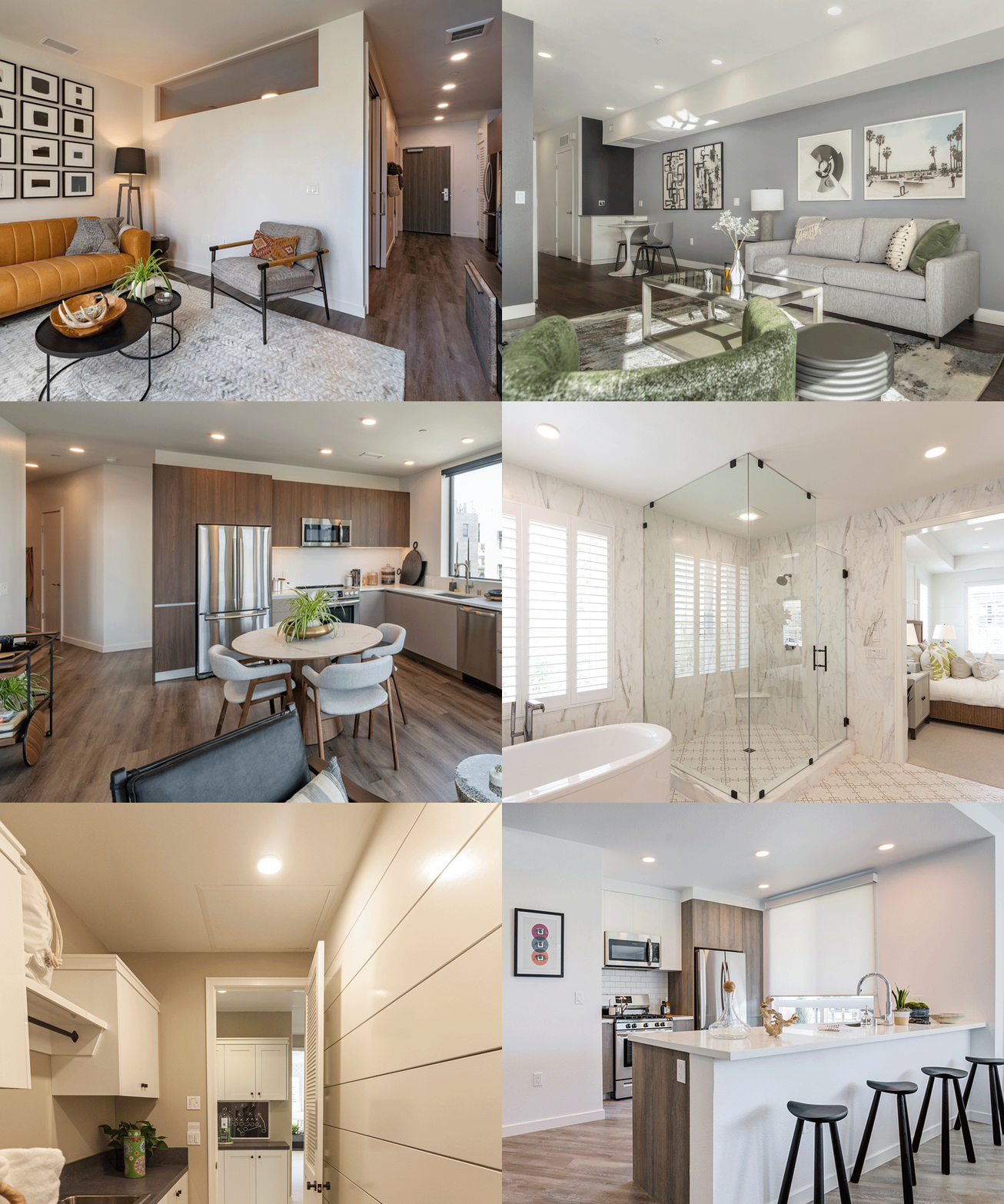
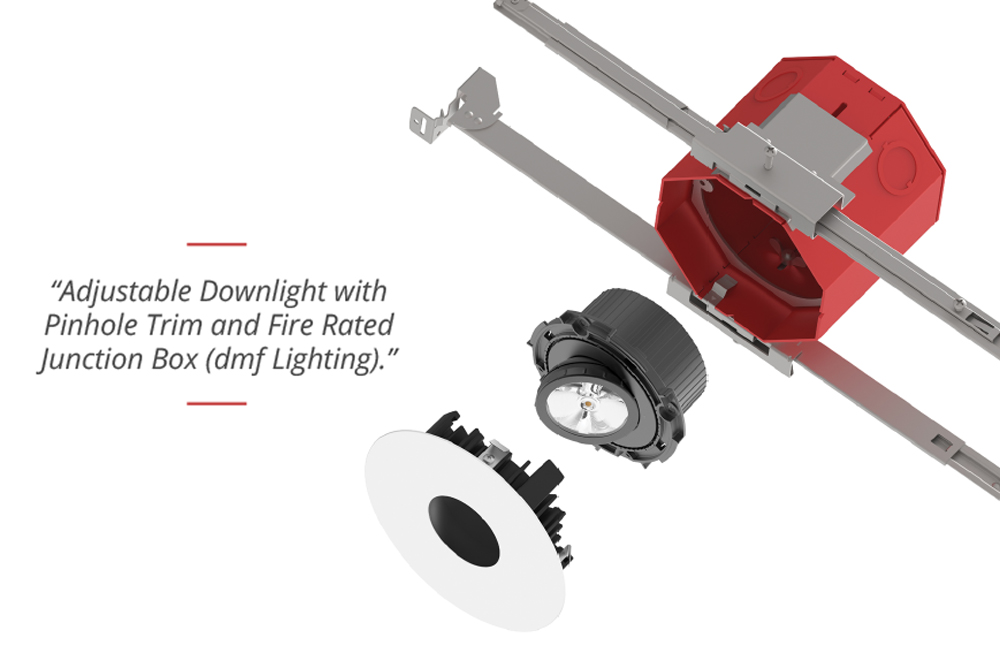
Fire-rated downlights – Especially in multi-family structures where ceilings are required to be fire rated, contractors were required to either build a sealed drywall box around a recessed downlight or to cover it with a UL listed fire protection blanket until recently. The added costs for either can be as much as $150 per downlight in labor and material. More than half of these costs are saved by new generation of downlights, including compact LED sources that fit into fire-rated junction boxes and fire-rated versions of conventional can lights. With up to 10 downlights in a mid-market 2-bedroom apartment, these savings become important and preserve the appeal of downlighting in these project types. These lights can be used in hotel guest rooms for that same reason.

More than half of these costs are saved by a new generation of downlights, including compact LED sources that fit into fire-rated junction boxes

Multiples are better than ever – The smaller size of LED options have resulted in a completely new generation of luminaires that feature multiple sources connected to one power source. These include conventional “multiples” with several individually aimable heads and new types of wall washers and small linear downlights on a residential scale. Like the other innovations, these often use mousetrap clips for simple cut-in installation and low voltage class 2 wiring, making these appealing for a wide range of projects and budgets.

Perhaps most intriguing of these innovations is their small size. For instance, a 2-3/8” x 1-5/8” square downlight with two micro downlights can produce up to 400 lumens using 5 watts, and with several of them connected to a single class 2 driver, can be installed for the labor cost of a single conventional 6” can. Not only more sophisticated in appearance and performance, but it is also a whole new design look that is affordable in a larger percentage of projects.

I’m still learning how to use these innovations, and every day I receive an email announcement of a new product of this type from companies all over the world. In downlighting, this is our future because it is a better tool for smaller environments, energy efficient, resource efficient, and a dramatic improvement in the downlight on which so much lighting design depends.

View the entire article at designing lighting.

————————–

Connect on LinkedInInstagramFacebook, or Twitter to stay up to date with everything that’s happening at DMF Lighting.
March 23, 2021

Each year, DMF honors a special selection from our network of representatives for all the great work they do. The Brilliance Awards celebrate not just great performance, but a partner’s outstanding dedication to reflecting all that DMF stands for, from knowledge and partnership to loyalty and professionalism.

Here are this year’s winners.

W. Rodgers Hill, Founder and Principal of Hill Residential Systems, accepts their DMF Brilliance Award trophy from DMF’s Andy Wakefield, Senior Vice President

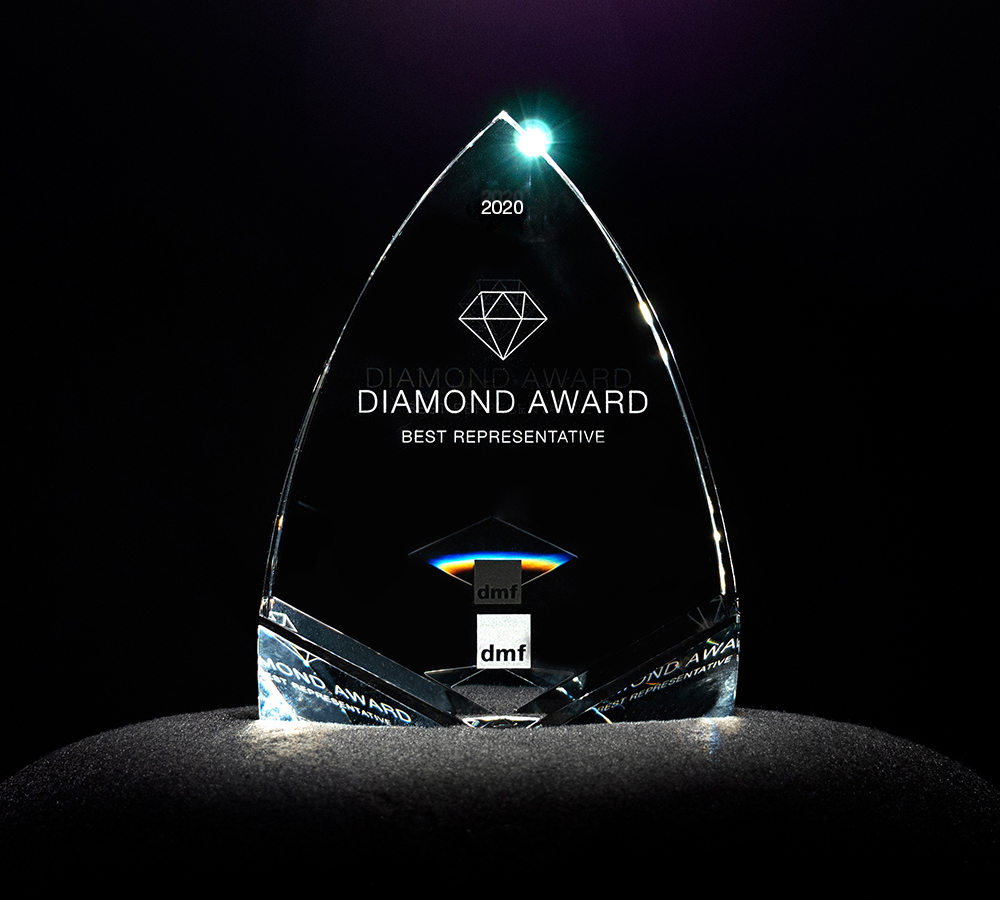
Diamond Award

The Diamond Award celebrates representatives without equal. Diamond Award winners excel at communicating with the whole DMF organization and are constantly learning more about our products and policies. Their excellence reflects amazing sales performances, especially across different business segments. Their passion and dedication makes them more than just partners, it makes them key members of the DMF Family.

Winner: Hill Residential Systems

Prism Award

The Prism Award goes to the Representative that achieved great success in their first year with DMF. These remarkable reps go beyond the day to day to successfully integrate themselves into the DMF ecosystem, quickly and effectively building relationships and knowledge. Prism Award winners demonstrate their hard work and potential for growth. They have a bright future together with DMF.

Winner: Pacific Lighting Systems

Crystal Award

The Crystal Award recognizes Representatives, who achieve their agreed sales quota goals. Such commitment and achievement are essential to our DMF business success. Crystal Award winners help us invest consistently in our business, growing our products, people, and impact to the market. Their partnership excellence is recognized and greatly appreciated.


Congratulations to the recipients

Our manufacturer’s representatives are the cornerstone of our business and we are proud to bestow the very best of them these Brilliance Awards. Congratulations to the winners and thank you everyone for your effort and dedication.

– – – – – – – –

Connect on LinkedInInstagramFacebook, or Twitter to stay up to date with everything that’s happening at DMF Lighting.
January 8, 2021

2020 PIA Award Winner

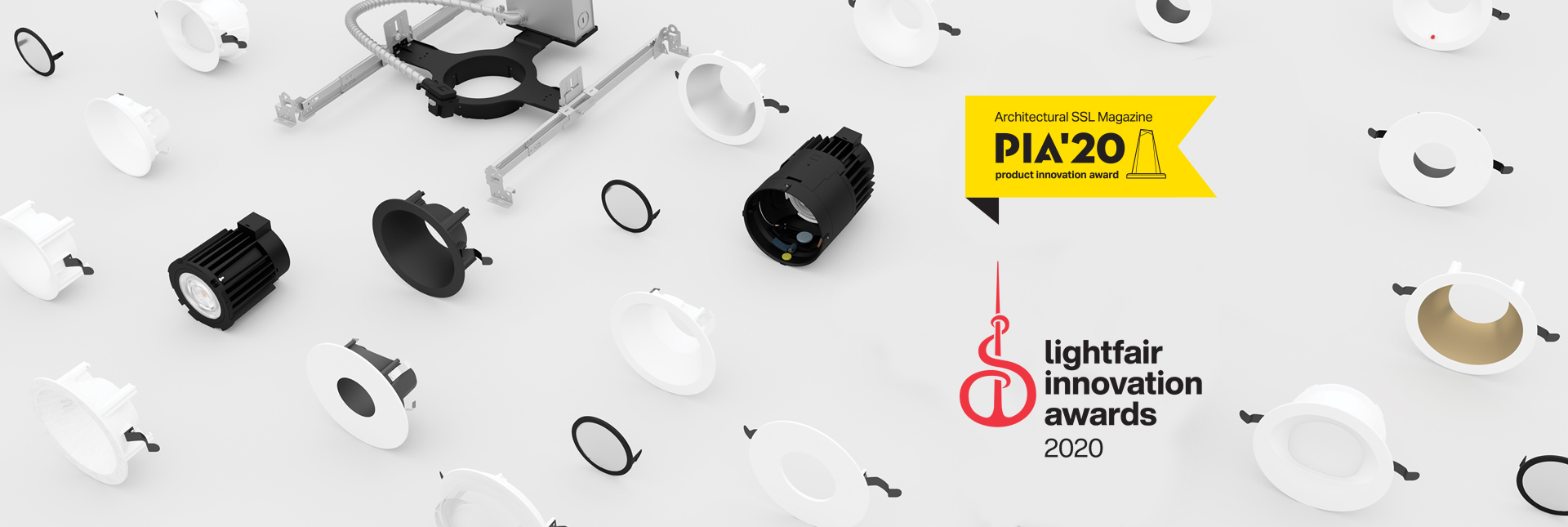
The DCD Series follows up its 2020 LFI Innovation Award with another prestigious accolade, a 2020 Product Innovation Award.

Now in their tenth year, the PIA celebrates the latest advancements and achievements in lighting. Presented by Architectural SSL, the judging panel recognized the DCD Series in the Downlight category, praising how it simplifies the installation process with its breadth of modular features.


JUDGES’ COMMENT:
“Finally! A downlight for all applications. A designer’s dream come true. Love the ‘one-stop shopping’ mentality for creating this design sensitive fixture. I really appreciate the flexibility, (spot lights, wide angles, etc.) within the same housing. From the design aesthetics point of view, it allows for consistent and uniform grid of downlights while they can have different functions. And options for changing the type of heads without removing the entire fixture is definitely an added bonus and adds flexibility if the space changes.”

Modular Downlight

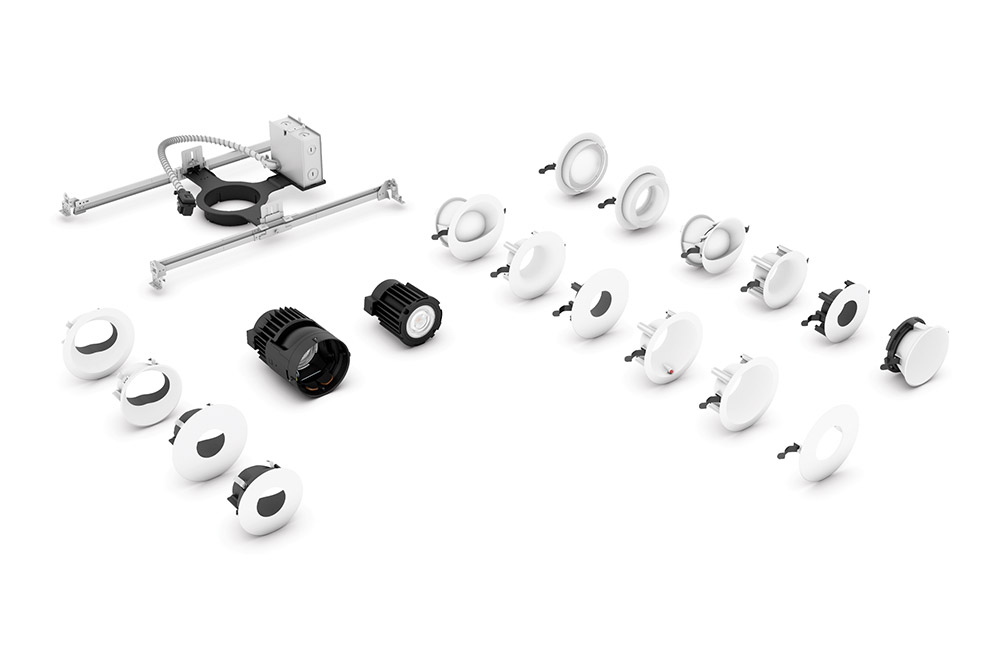
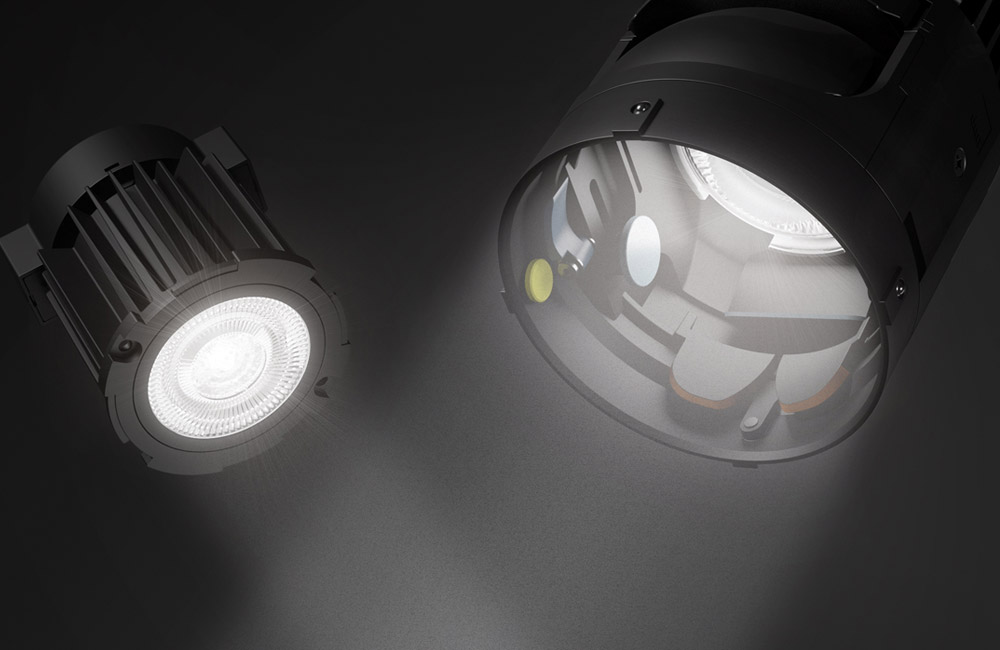
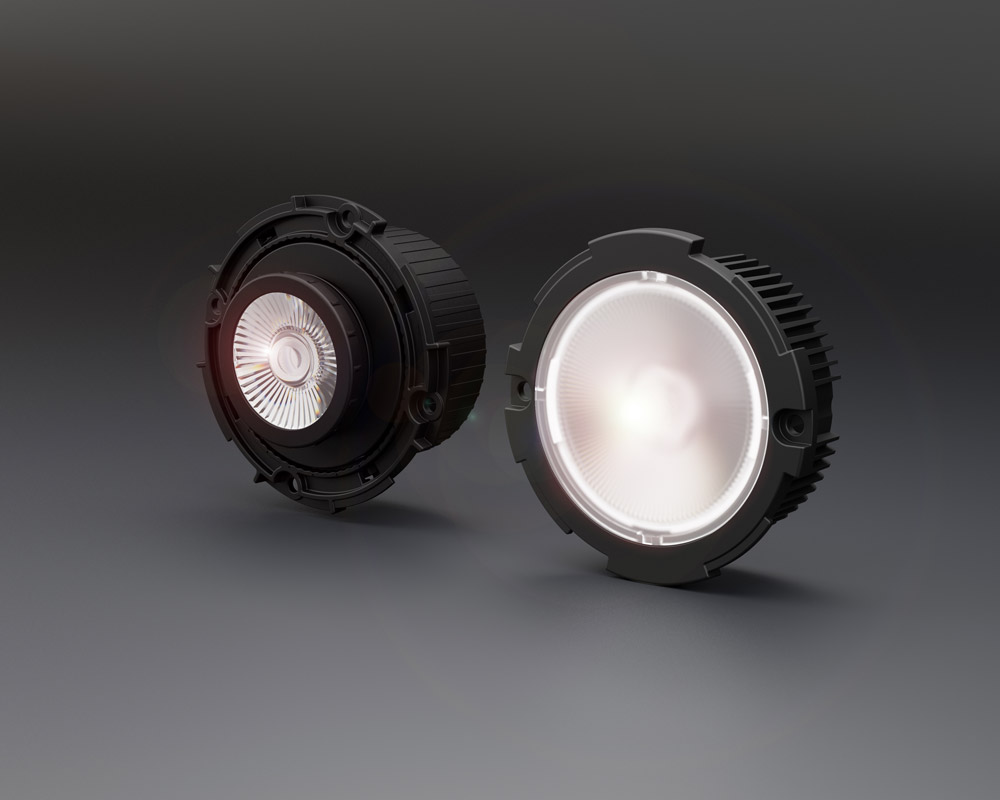
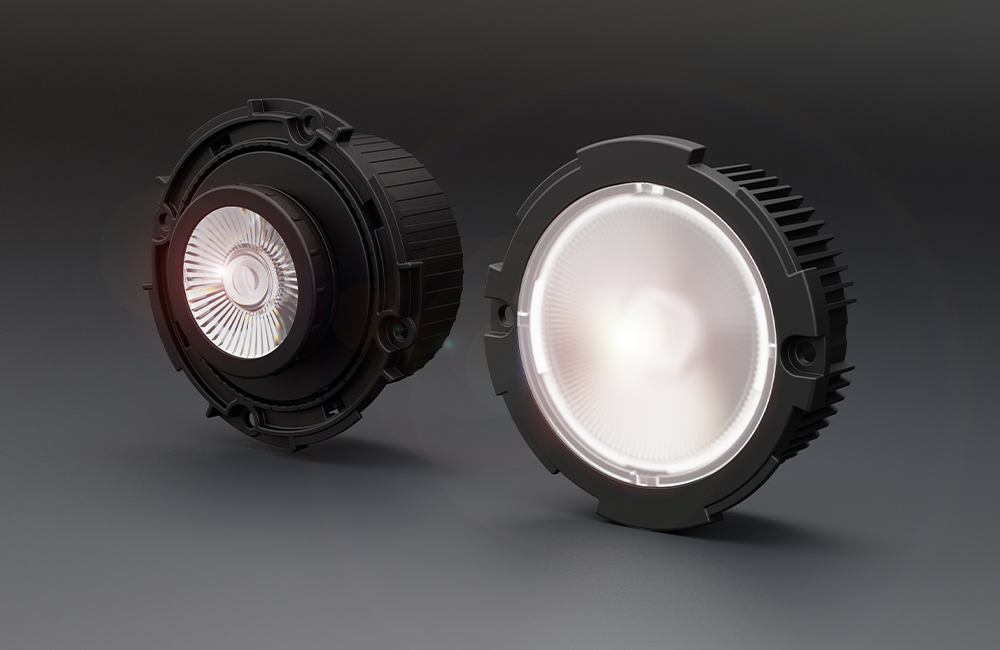
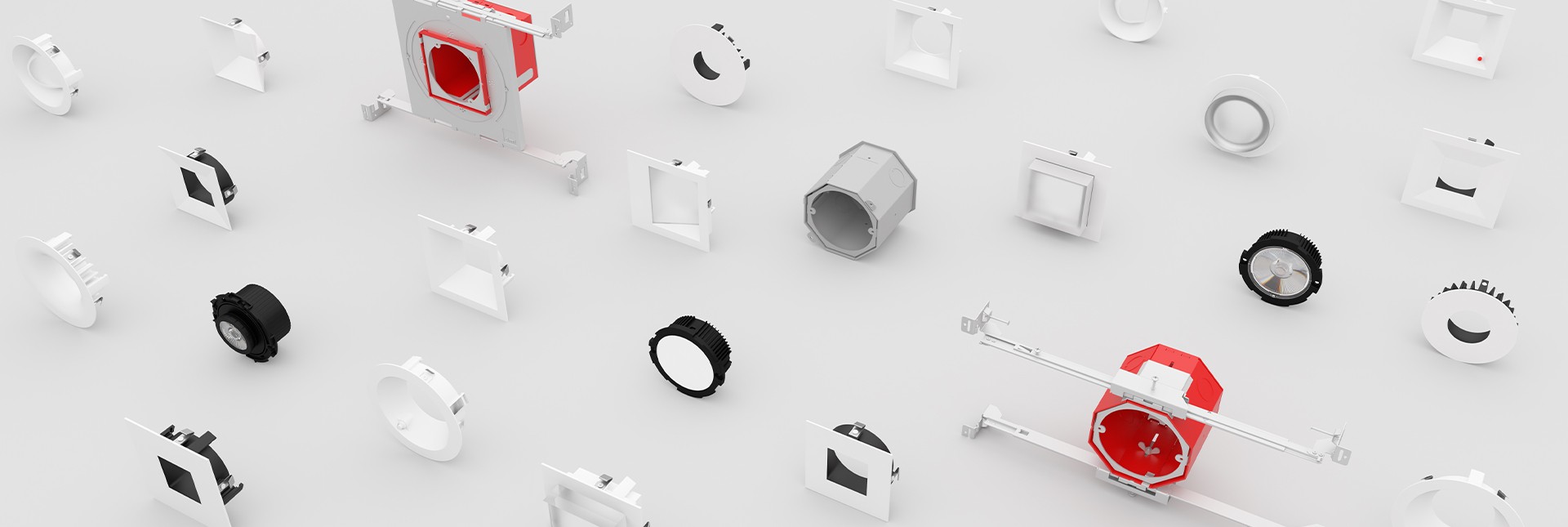
The DCD Series downlighting system is flexible enough to illuminate your whole project with a broad range of light and aesthetics options, all with just one housing. Select from either a General or Adjustable module, and pair it with a beautifully finished trim to create exactly the results you’re looking for. The DCD Series makes it all simple with precision-crafted, inter-operable components.

The DCD Series is literally whatever you want it to be, as its flexibility radically simplifies configuration in the field. With just one housing type, it allows for adjustment of beam angles; increased light output; driver service—all without tools.


Learn more about the award winning DCD Series Higher Lumen Downlight.

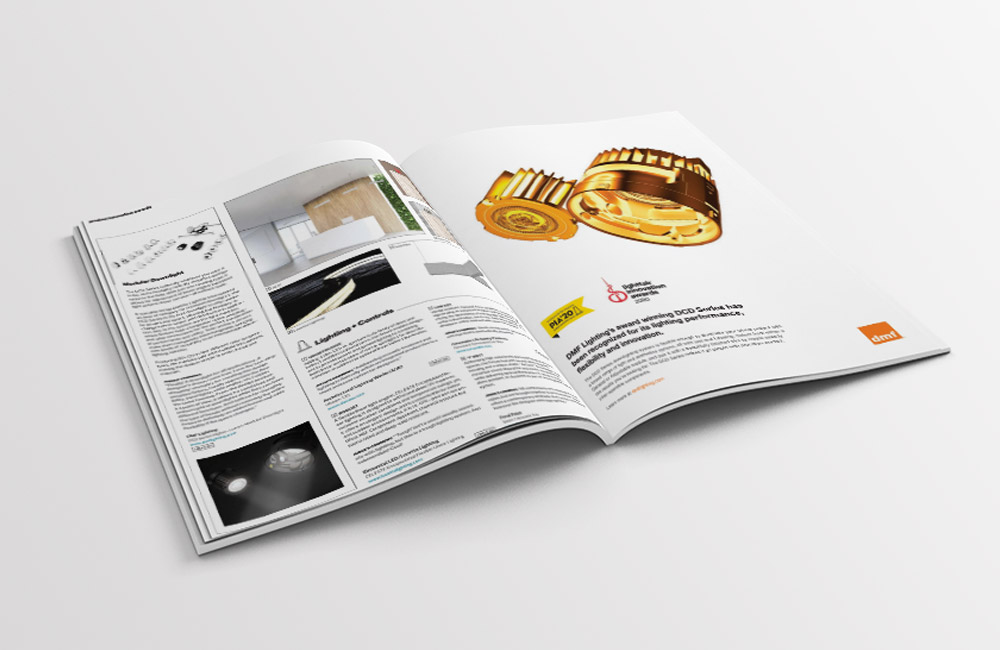
Architectural SSL Magazine, November – December 2020


– – – – – – – –

Connect on LinkedInInstagramFacebook, or Twitter to stay up to date with everything that’s happening at DMF Lighting.
December 4, 2020

PRESS RELEASE:

Carson, California – November 23, 2020

DMF Lighting, the leader in modular downlighting innovation, announced that the U.S. Patent and Trademark Office’s Patent Trial and Appeal Board (PTAB or Patent Office) entered judgment in favor of DMF in an inter partes proceeding trial instituted at the request of AMP Plus Inc., d/b/a ELCO Lighting (ELCO) to challenge the validity of DMF’s U.S. Patent No. 9,964,266 (“the ‘266 Patent”).  This continues a string of victories by DMF in its litigation against ELCO in the Patent Office and district court that started from ELCO’s improper copying of DMF’s patented DRD2 products.   

In August 2018, DMF filed a patent infringement suit against ELCO in the U.S. District Court for the Central District of California in Los Angeles based on ELCO ELL LED products that ELCO copied from DMF’s award-winning DRD2 LED products.   In March 2019, the District Court granted DMF’s request for a preliminary injunction against ELCO and all those acting in concert with ELCO that were selling the accused infringing ELCO ELL products.  On March 19, 2020, the District Court also granted summary judgment in DMF’s favor finding that ELCO infringed ‘266 Patent claims, dismissing ELCO’s unenforceability defenses and dismissing most of ELCO’s validity challenges.  A trial will be held to determine if ELCO also infringes other additional patent claims and to consider ELCO’s remaining validity challenges that are based on two primary pieces of prior art.  That trial has not been scheduled yet due to the COVID-19 pandemic.  

In parallel to the District Court case, ELCO also has tried to invalidate the ‘266 Patent claims in the Patent Office based on the same two pieces of prior art at issue in the District Court.  On March 17, 2020, the Patent Office ruled in DMF’s favor that ELCO’s validity challenge, based on one piece of prior art, did “not demonstrate a reasonable likelihood that [ELCO] will prevail” as to any patent claims. The Patent Office did grant a trial on the other piece of prior art. On November 19, 2020 the Patent Office issued a judgment in DMF’s favor, ruling that ELCO failed to invalidate any of the 22 challenged patent claims except for one claim.

 “We are pleased with the Patent Office decision today, which recognizes the innovative technology of the DRD2. DMF invests heavily in research and development to create innovative solutions in lighting.”

Michael Danesh, DMF COO.


About DMF Lighting 

DMF brings a creative approach to lighting and offers industry-leading technology that sets the bar for performance, quality, and flexibility. At our in-house Research and Development lab, our engineers and designers are constantly pushing boundaries and refining product to ensure that our products consistently exceed expectations. Every DMF product delivers outstanding performance, reliability and aesthetics. DMF LED lights produce accurate color rendering, smooth dimming, and have low power consumption. 

At DMF, we understand that light is more than illumination; light is what makes a space beautiful, useful, and ultimately, enjoyable. 

Official Press Release

November 5, 2020

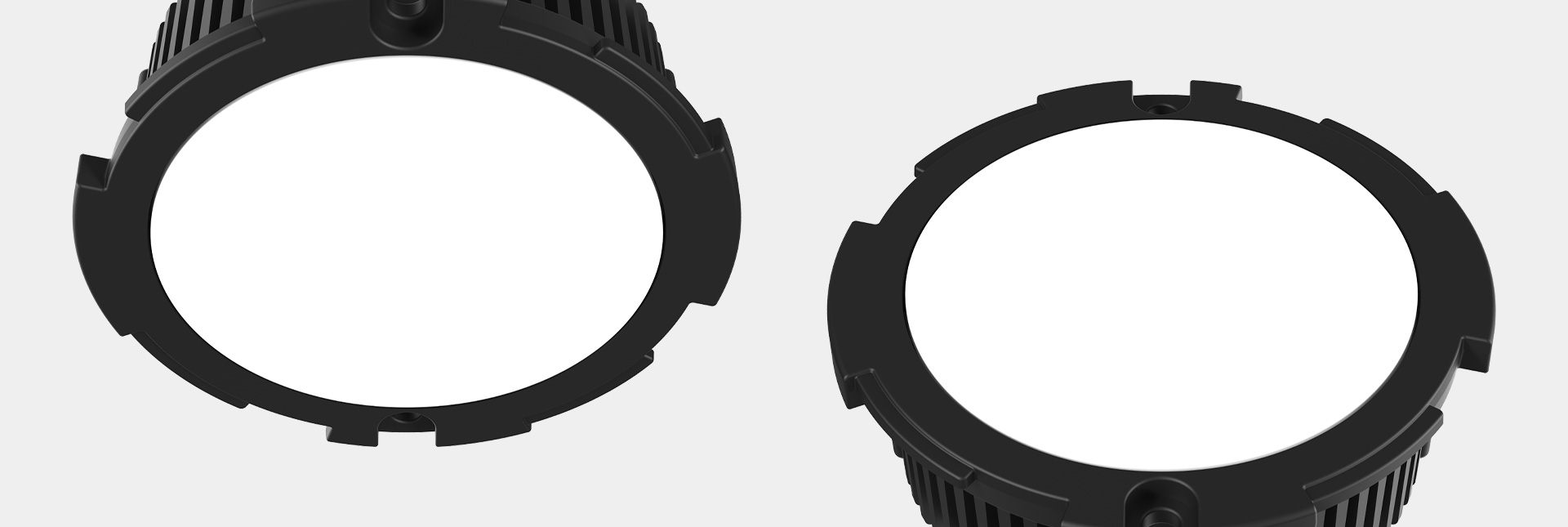
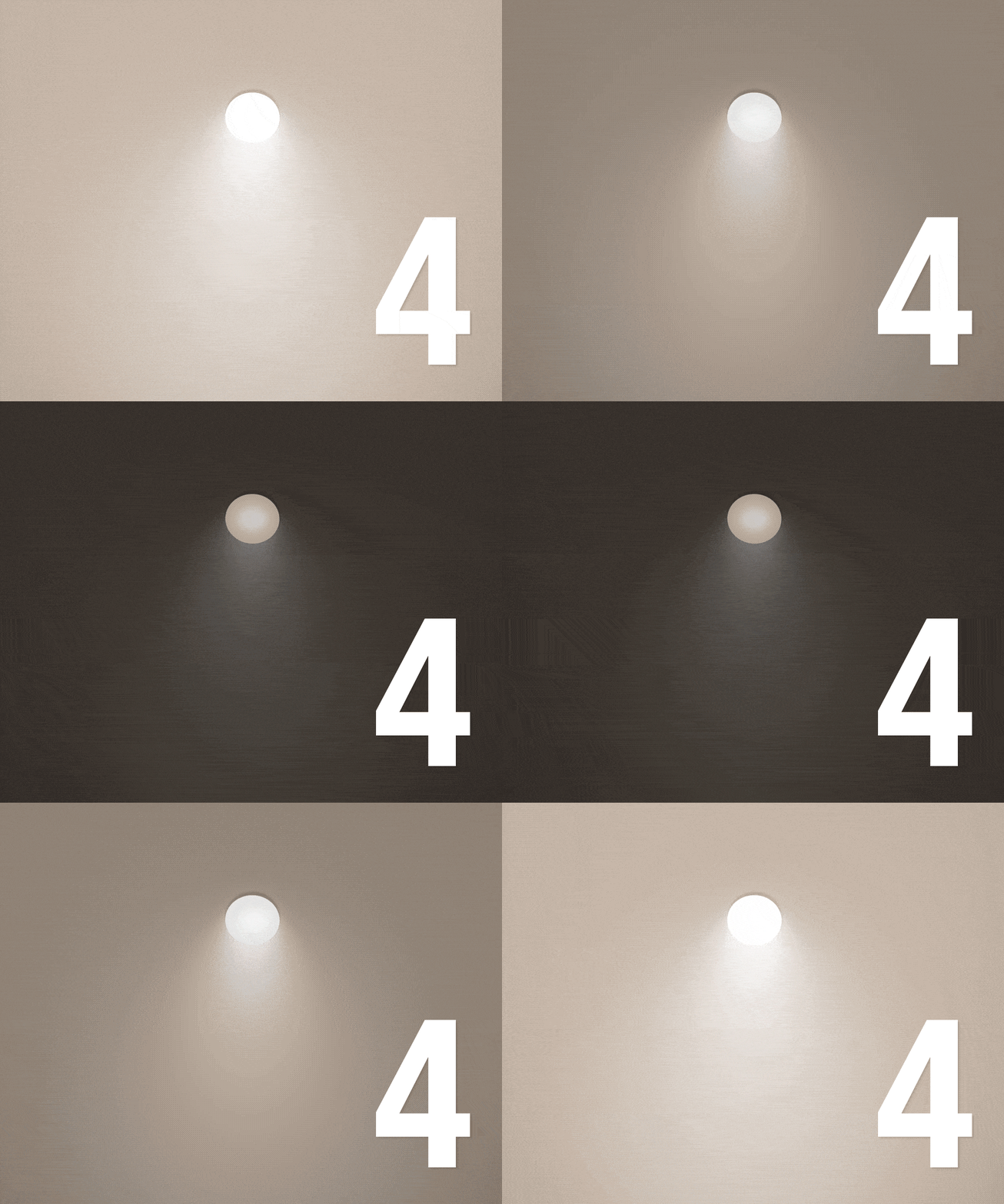
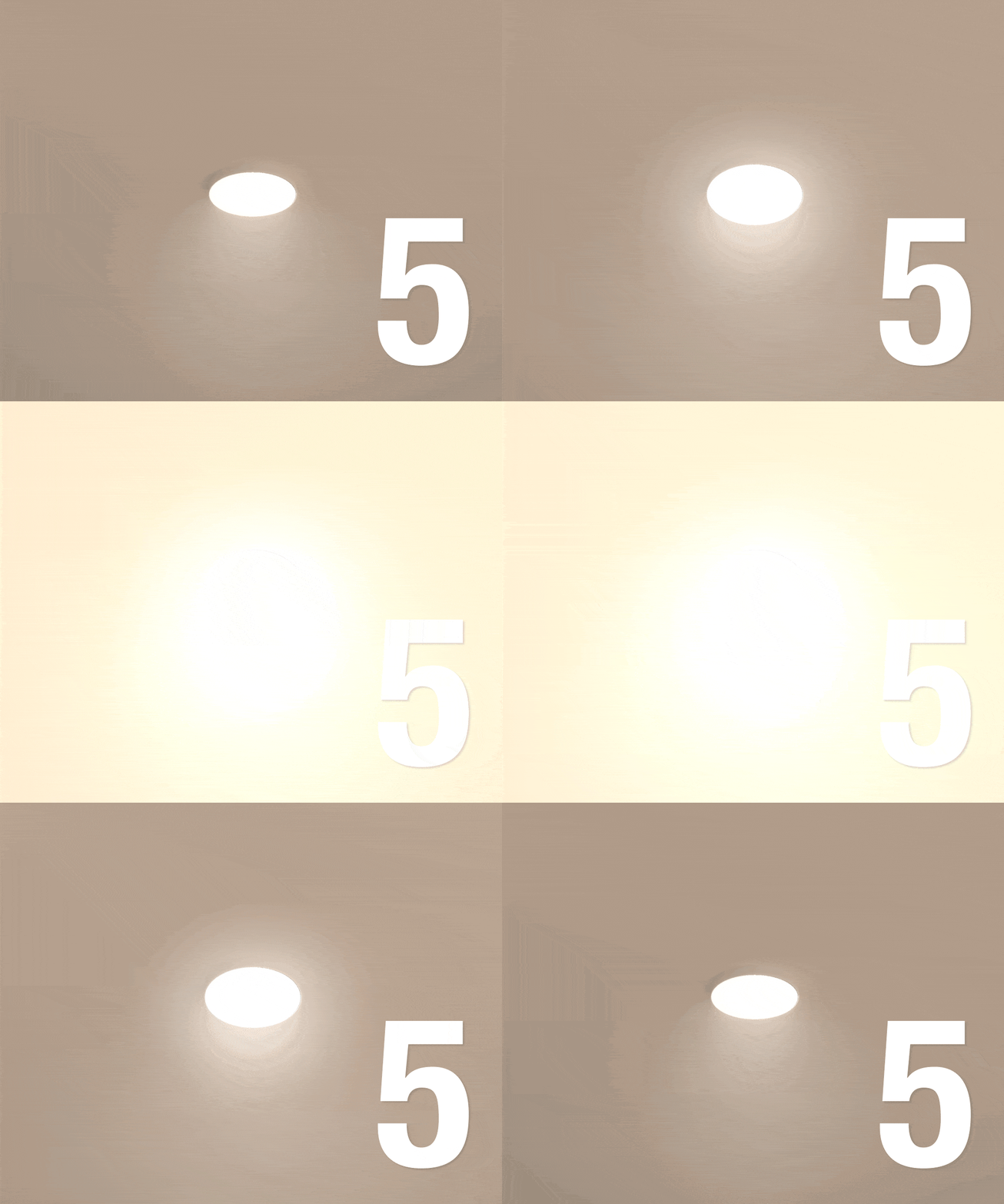
With a bezel-less design, ultra-thin form factor and durable finish, the S Series is striking yet affordable for even the most budget conscious builder. It matches the aesthetic of a high-end recessed downlight while retaining the economy of a surface mount.

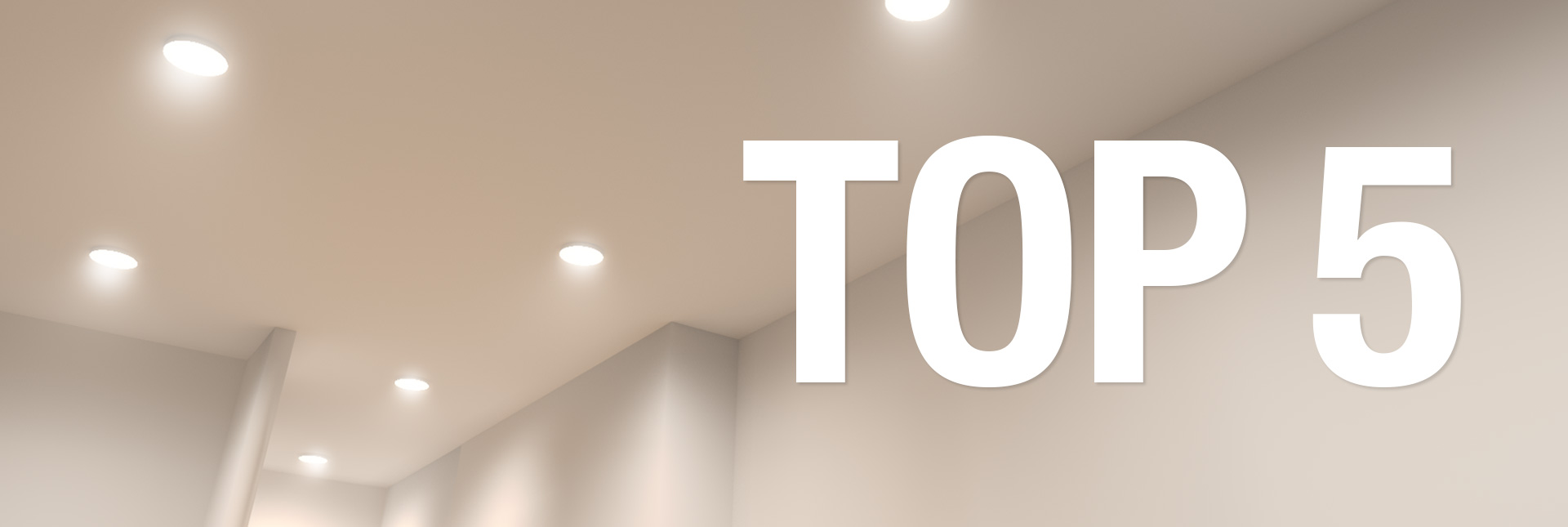
But make no mistake, the S Series is not all about looks. It produces class-leading exceptional lighting as well. Here are the top five reasons why the S Series outperforms other surface mount LEDs.


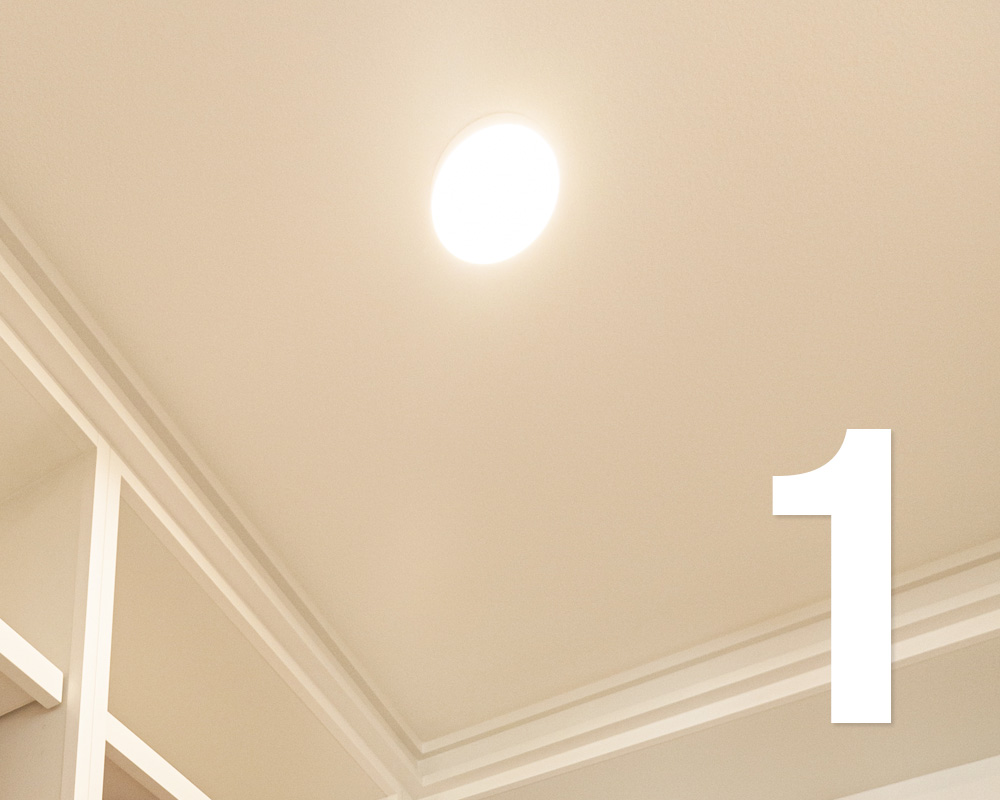
1) Uniform Illumination

Featuring a precisely optimized array of over 100 LEDs, the backlit S Series delivers smooth, uniform illumination with no visible fasteners. The LEDs are expertly engineered to evenly illuminate the specialized lens edge-to-edge, leaving no hint of hot or dark spots to distract the eye.


2) Reduced Glare

Since the light source is completely visible for all surface mounts, they are susceptible to producing a large amount of glare that detracts from the rest of the room. The S Series combats this with a specialized lens that transmits clear, consistent light with a subtle diffusion to minimize glare even at full light output.


3) Accurate Color Representation

With a 90+ CRI rating, the S Series matches the color rendering capabilities of most premium recessed downlights. This ensures a more accurate color representation so objects don’t appear to be a different shade during day and night.


4) Smooth Dimming

Compatible with either TRIAC/ELV or 0-10V dimming controls, the S Series is powered by DMF’s proprietary driver. It provides flicker-free, smooth dimming down to 1% light output.


5) Disappears Into the Ceiling

The primary function of any surface mount is to mimic more expensive recessed fixtures, blending into its surface to create a “quiet ceiling”. While others are close, the S Series excels at this through its combination of glare mitigation, uniform illumination, bezel-less design and slimmest in class design. It’s truly in a class of its own with a disappearing act that leaves the competition behind.


DMF designs products that perform beautifully and are intuitively simple. The S Series epitomizes this, offering incredible lighting capabilities at an unbeatable price point. That’s because we understand that light is more than illumination; light is what makes a space beautiful, useful, and, ultimately, enjoyable.

Learn more about the S Series Surface Mount LED.


_ _ _ _ _ _

Stay up to date with everything that’s happening at DMF:  LinkedInInstagram and + Facebook

October 13, 2020

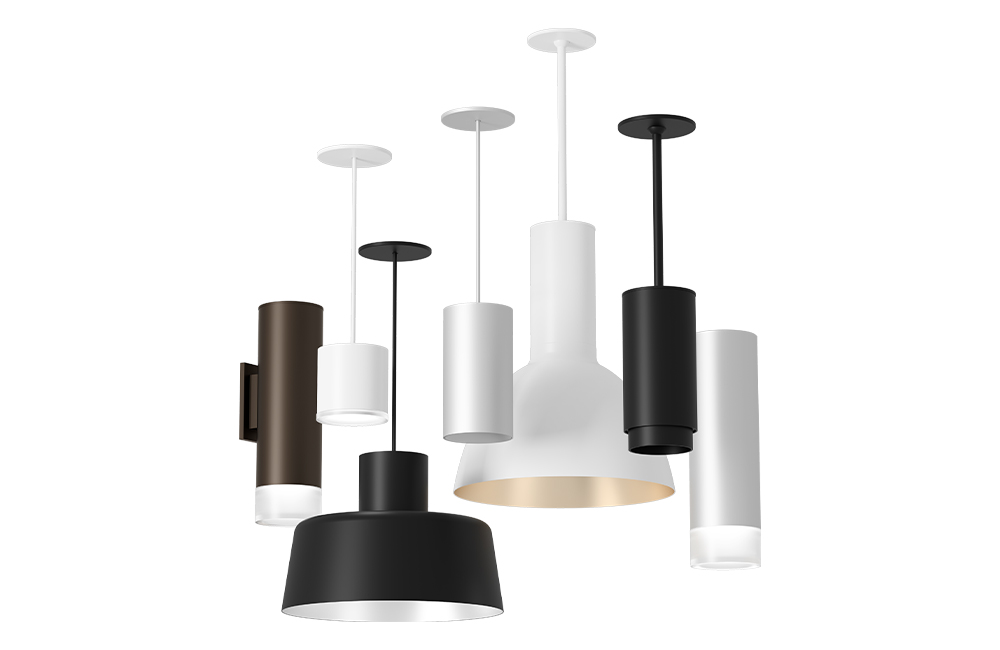
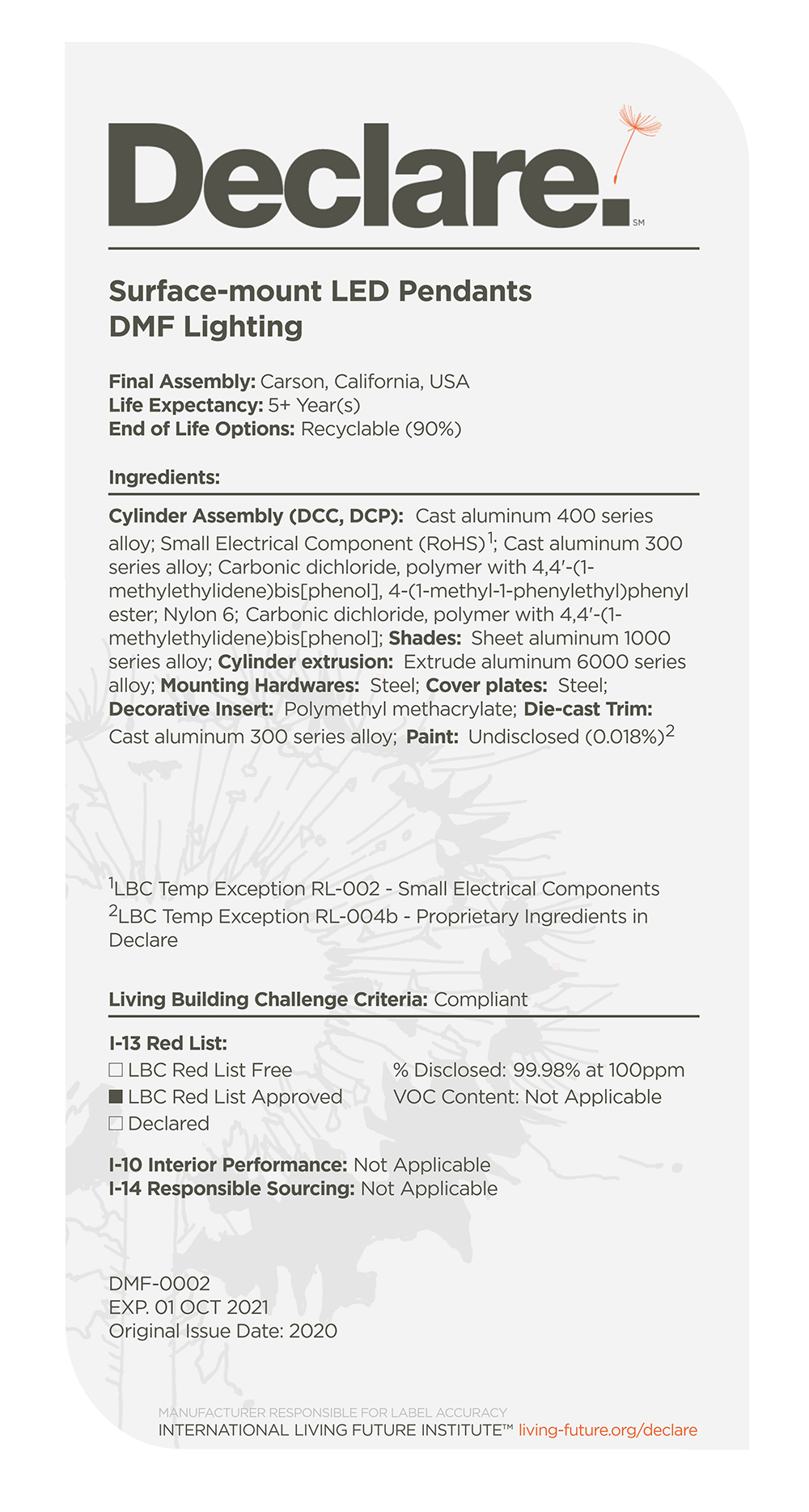
The Living Building Challenge is an international sustainable building certification program. Earlier this year, our recessed LED downlight system achieved Living Building Challenge compliancy. Now, we’re proud to announce we’ve expanded our compliant product offering to include the DCC Cylinders as well. With its aluminum-alloy unibody design and RoHS approved electrical components, our surface mounts are up to 90% recyclable and free of non-sustainable, harmful toxins.

Living Building Challenge

Similar to LEED, Green Globes, and other standards recognized by local, state, and international governments, the Living Building Challenge is the world’s most rigorous proven performance standard for buildings. People from around the world use its regenerative design framework to create spaces that give more than they take.

Living Buildings are:

  • Regenerative buildings that connect occupants to light, air, food, nature, and community.
  • Self-sufficient and remain within the resource limits of their site.
  • Create a positive impact on the human and natural systems that interact with them.

DMF’s continued commitment to better living

Efficiency and sustainability are at the core of DMF, pushing us to design ever-more energy efficient lights and informing the materials we use to build our products. Projects using DMF’s downlight system or surface mount pendants are on the pathway to reaching the top classification of Living Certified.

For more information on DMF’s sustainable products, including associated building credits, read our post on Living Building Challenge compliancy.


– – – – – – – –

Connect on LinkedInInstagramFacebook, or Twitter to stay up to date with everything that’s happening at DMF Lighting.
October 13, 2020

Next up in our continuing series of expert-hosted video training, the recently announced DID Series — the light designed to evolve with your every need.

Available in limited supply this winter, every element of the DID Series is engineered to be interchangeable in the field. Our signature modular design allows the DID to adapt to changing homeowner preferences, future room designs, even retrofits. 

It’s also our best performing fixture ever and designed exclusively for home integrators.

DID Series Training

Go to our training page and use the Custom Webinar form to request a training session.


– – – – – – – –

Connect on LinkedInInstagramFacebook, Twitter or Vimeo to stay up to date with everything that’s happening at DMF Lighting.

October 13, 2020

Honoring technical excellence and product innovation, the CEDIA Awards encompass nearly every aspect of the home technology industry, including hardware, software and projects. The DID was awarded Best New Hardware Product for its flexibility during and after installation. Its modular design allows it to adapt to changing homeowner preferences, future room designs, and even retrofits.

Winners were announced last week at the 2020 Americas CEDIA Awards Virtual Ceremony. Watch a brief clip of the DID being named the Best New Hardware Product.

About CEDIA Awards

The CEDIA Awards projects represent the finest in the design and installation of residential technology. From whole home audio to lighting systems, from dedicated home cinemas and media rooms to networking and automation solutions, you’re sure to find inspiration and ideas when it comes to custom electronics for the home.

These residential technology integrations are all built to ensure that the tech you’ll find here are aesthetically beautiful — if not invisible or hidden — and incredibly easy to use. 

Simply put, this is what CEDIA members do best: Designing custom technology solutions to create for you a “Life Lived Best at Home.”


Learn more about the DID Series.

Contact us for more details, including preliminary specs and availability.


– – – – – – – –

Connect on LinkedInInstagramFacebook, or Twitter to stay up to date with everything that’s happening at DMF Lighting.

August 4, 2020

Properly lighting a room requires more than just picking a few bulbs to screw in. Of course, using any general light bulb will sufficiently illuminate an area so you can see. But what if you want to highlight an accent wall? Or need an area to relax or work? That requires lighting design. And today, lighting design lives in three distinct layers: Ambient, Task, and Accent Lighting. All three of which can be achieved using a combination of versatile DMF downlights.

DRD2: Ambient Lighting

Also called General Lighting, the ambient layer provides the illumination required for occupants to see the space in its entirety. Most often, this layer is constructed through recessed downlighting and the DRD2 excels at it. With it’s wide beam angle and shadow-less illumination, the DRD2 makes spaces feel secure and inviting.

DRD2X: Task Lighting

Once the ambient layer sufficiently illuminates the space, use the task layer to enhance function of specific areas. In an office, this might be the desk workspace. In a kitchen, task lighting illuminates cooking surfaces or countertops. This requires a light source with a high center beam candlepower value, like the Apex Series DRD2X. Plus, its controlled optics produce tighter beamer angles, making it a great spotlight over surfaces like work tables.

For higher ceilings, the DCC Cylinder, which suspends from the ceiling, is another option for ensuring the light is focused and makes it to the desired surface.

With both the ambient and task layer in place, any room should be fully functional for its intended purpose. The final layer will take the functional bases of the ambient and task layers and add artistry and style.

DRD4: Accent Lighting

The accent layer adds a decorative finish by complimenting the other two layers and highlighting architectural features like columns, floral arrangements, and wall art. This layer is the most subjective of the three but offers the most opportunity for artistic influence. A great lighting designer can use the accent layer to blend the other two and tie the space together.

The natural fit in this layer is the DRD4 Adjustable Downlight, which pivots smoothly and locks in place to perfectly illuminate the features of the room.

Tying it All Together

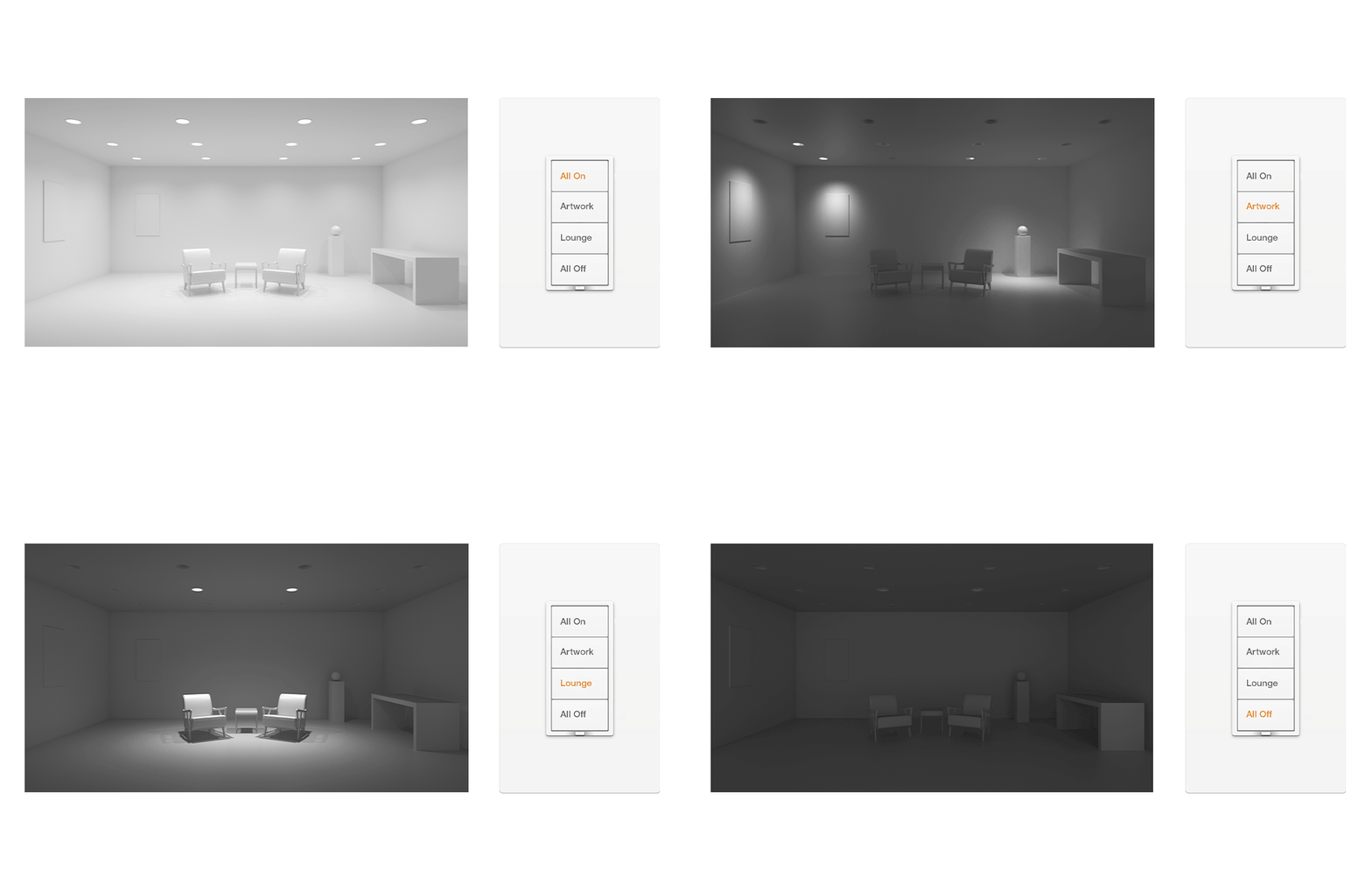
Depending on the usage of the space, a room’s lighting needs may change throughout the day. To achieve this, lighting layers must work in conjunction with each other, but also independently of one another.

Lights off and shades up in the middle of the day. Task lighting at the work station in the late afternoon. Dimmed ambient lighting with contrast accent lighting to relax in the evening. You can automate all these settings with a keypad control, creating different scenes and a room with multiple zones of light at different light levels.

Modular Lighting

Laying out a space with different light sources in different areas to achieve unique lighting effects while interfacing with a specific control system may seem like a daunting proposition, but DMF’s award winning modular systems are up to the task. Compatible with three LED modules, each interchangeable during and after installation, allows your lighting to easily adapt to changing owner preferences and future room redesigns.

Modular lighting reaffirm our commitment to designing products that perform beautifully and are intuitively simple.

Learn more about the benefits of modular lighting.


– – – – – – – –

Connect on LinkedInInstagramFacebook, Twitter or Vimeo to stay up to date with everything that’s happening at DMF Lighting.



June 9, 2020

Recognized for its robust lighting capabilities within a modular system, the DCD Series was named the 2020 Lightfair Innovation Award Category Winner for Recessed Downlights, Wall Washers and Multiples. DMF is proud to have the DCD continue our tradition of designing award winning products and spoke with Amir to learn more about working at DMF and the innovation that went into designing the DCD Series.


Describe what you do here at DMF.
The product development process at DMF has a few different sides to it. One part is the mechanical, another side is electrical, and we have optical systems too. And at the end of the day, all these parts need to come together to become a product. My main task at DMF is really to bring this whole development process together.

So what’s your favorite part of bringing it all together?
The most joyful moment of the product development process comes toward the end. When you have the product in your hand, and you see the iterations from where you started. Once you get to the point of when you can show it to people, show how it performs and behaves in different situations and environments and ultimately, how it’s superior to other products.


What gets you excited about what you do?
During the product development process, what gets you excited on almost a daily basis is when you work on a specific challenge and you start looking at the issues you have on hand. You do these brain storming sessions and then you create prototypes. We’re creating prototypes on a daily basis. The results you can basically see, how step-by-step you’re making it better and better every day. At some point, you make the decision to show it to a broader audience and from that point on, you feel that this unknown challenge you’ve had at the beginning has been solved. That’s what really gets people excited.


Explain what DMF is trying to achieve with their new products.
The way that I see it, DMF is a company that wants to be number one in downlighting. And what that really means is that it doesn’t matter where you start, residential type of construction all the way to commercial, it could be multi-family, every different type of scenario. We want our products to be the number one option people choose. And that can be tricky because a lot of people look at lighting differently. Some people look at the price, some at quality, and some at performance. For us, we try hit all three.  That’s how we want to win in the market, by becoming number one in all three aspects. From quality to how we price the product and ultimately the performance.

What makes DMF products unique in the industry?
How easy and interchangeable and modular our products are. They give different customers different tools. From the contractor to the lighting designer or even the homeowner, people work with our products differently. How easy it is to swap out different products, how easy it is to maintain our products, and how reliable and durable our products are. This is how we make our products unique, and it’s standard across the board in all our products.

Tell us about the engineering team at DMF.
We’re basically a combination of different talents from different industries with multiple different disciplines. We have people from the auto industry, from Aerospace, from the medical industry, and of course lighting. Having all these different backgrounds, experiences, and skill sets really contributes to our product innovation and is unique to DMF.


What drives product development at DMF?
We look to address needs in the market. We normally start the product development process from the perspective of the customers. So you have to do a lot of interviews, talk to people and try to determine where existing products cannot answer their needs. Where do you have issues? Performance? Installation? You have to talk to different groups too. You don’t only focus on the lighting designer and architect. You also go out and talk to the homeowners, the builders, and the contractors. We gather all the pain points from these different groups and design our products to address them.

Is that how the DCD started?
Yes, we discovered that in a commercial application, even though a lot of the planning is done in advanced, there’s always changes. And any changes that occur towards the end of the project are very costly. We set out to design a commercial product that can adapt to those changes. Changing the product had to be easy and the installation had to be forgiving.

“That’s why everything is modular,
simple, and tool-free.”

Once you put it in the ceiling, everything after that point is tool-free. You can swap out modules. Swap out optics. Swap out trims. All by hand. Nearly every piece of this product family is interchangeable.

What were the challenges in achieving that?
Designing a housing that can accommodate both a downlight and adjustable. When you look at other adjustable commercial housings on the market, they have a frame in the ceiling that’s already set for an adjustable. There are a number of structures inside the frame that are needed to hold their adjustable light, so you lose that adaptability.

But not only that, adjustables often have issue with light leakage. That’s why a lot of competitors use a “shoe box” where they put everything in a big box. But the whole system becomes very clunky hard to install. It will interfere with the ceiling insulation, joists, HVAC system.

“We wanted to make sure
everything is minimized and
compacted into a smaller space.”

Combining those requirements of a universal frame and a system that works in a small space were the biggest obstacles. That’s what led us to designing the cold-fused light shield.

Finally, what do you love most about the DCD Series?
It all comes down to performance. We wanted to make sure the DCD is spec grade. There’s a minimum cut off angle you want to hit in order to achieve a quiet ceiling, where you can’t see the light until you are under it. You usually lose a lot of light with this, so it’s important in balancing the recessed depth of the product while at the same time meeting ENERGY STAR efficiency requirements and higher-lumen performance.

We believe we did just that. We were able to basically hit every important aspect you would want from a lighting system in one product.


Learn more about the DCD Series series.


– – – – – – – –

Connect on LinkedInInstagramFacebook, or Twitter to stay up to date with everything that’s happening at DMF Lighting.