May 3, 2018

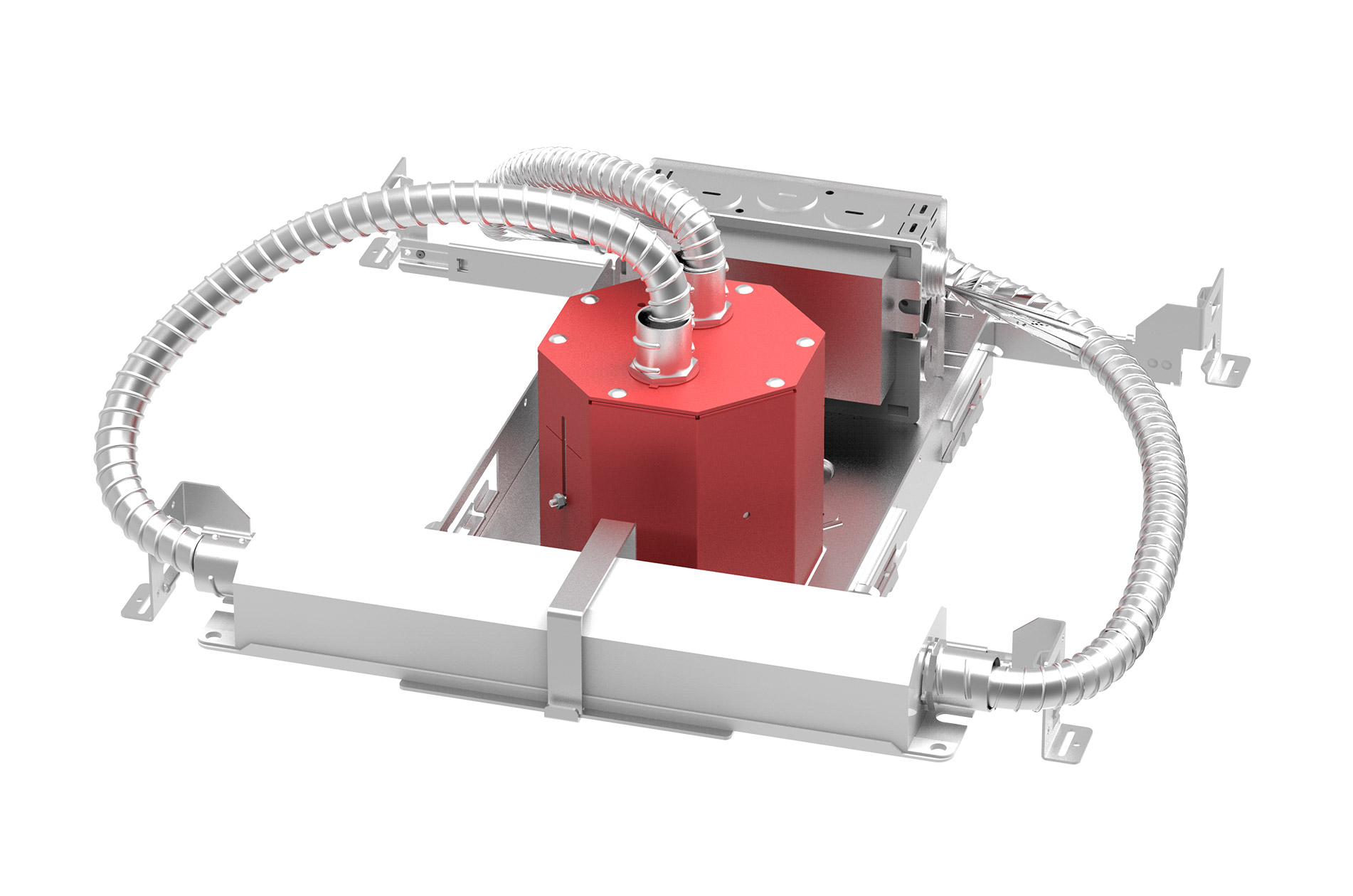
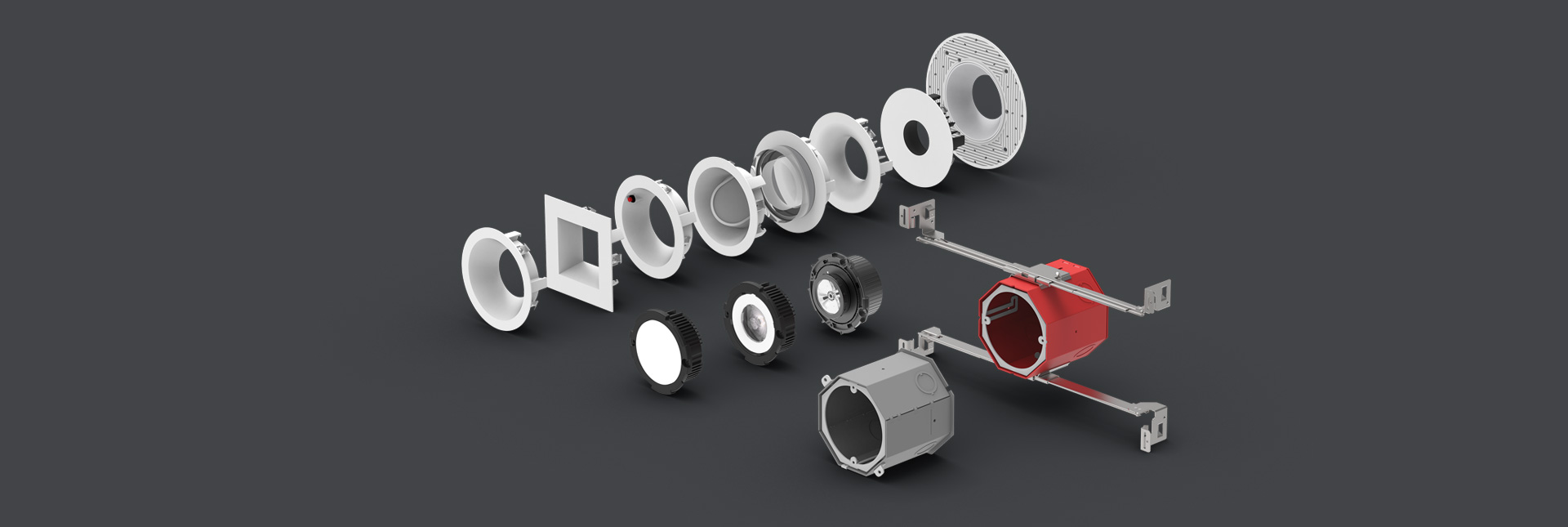
The award winning OneFrame was the first of its kind – a revolutionary LED housing created with multifamily construction in mind. Now, the OneFrame System expands on that, representing the culmination of decades of engineering experience. We’ve added new LED modules and features that all work together to give you more options and control.

A modular system that puts you in control

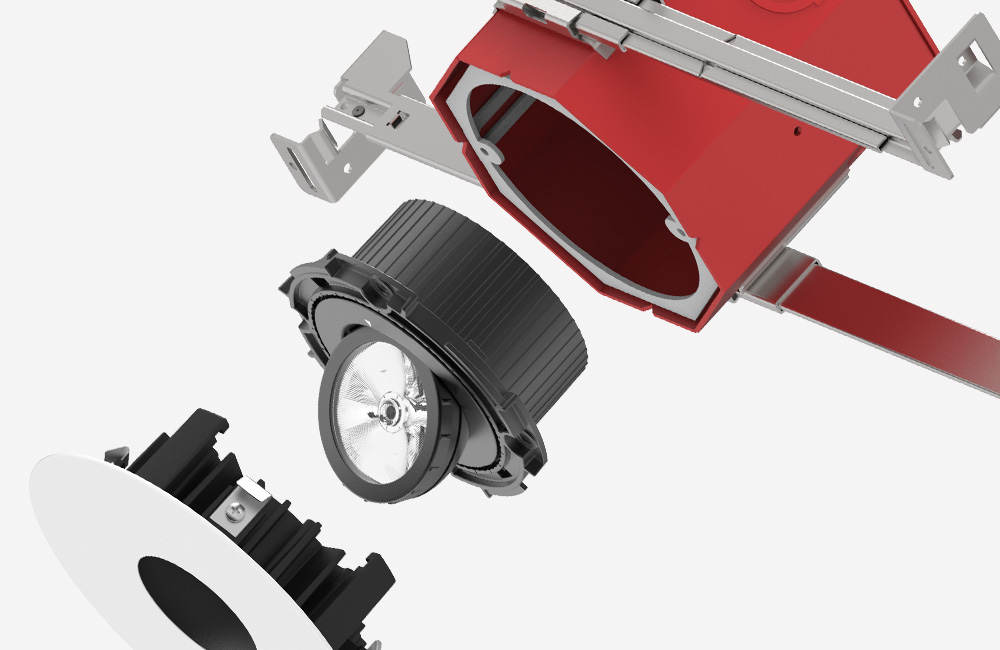
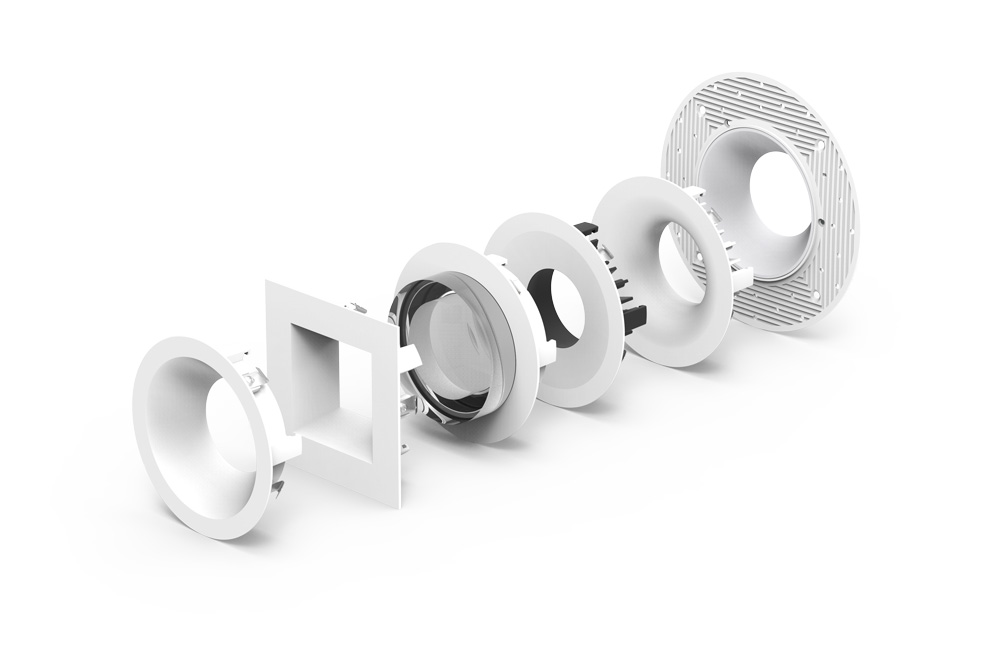
Built on the foundation of our award-winning OneFrame housing, the system is truly modular. That means it’s simpler to specify, install, and maintain. What’s more, our new light engines and trims allow you to adapt to changing needs without renovations, putting you in complete control of your light.

Game-changing versatility

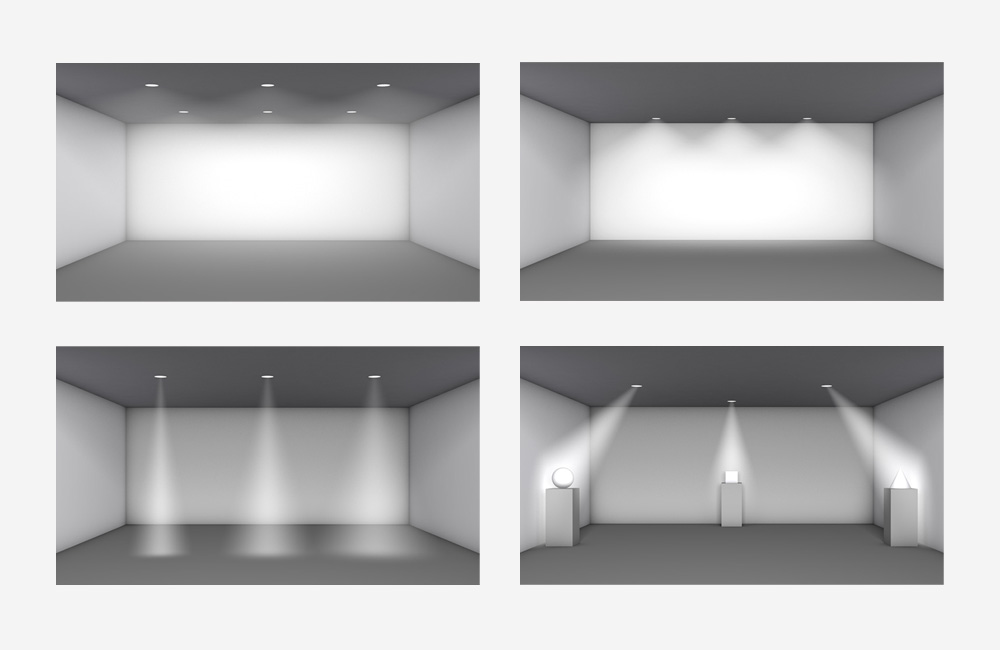
The new additions to the OneFrame System allow you to create diverse types of layered light without locking you in to a particular design. By swapping out our modular components, you can radically alter your light. That means the people who inhabit your space get just the right light, even if their needs change.

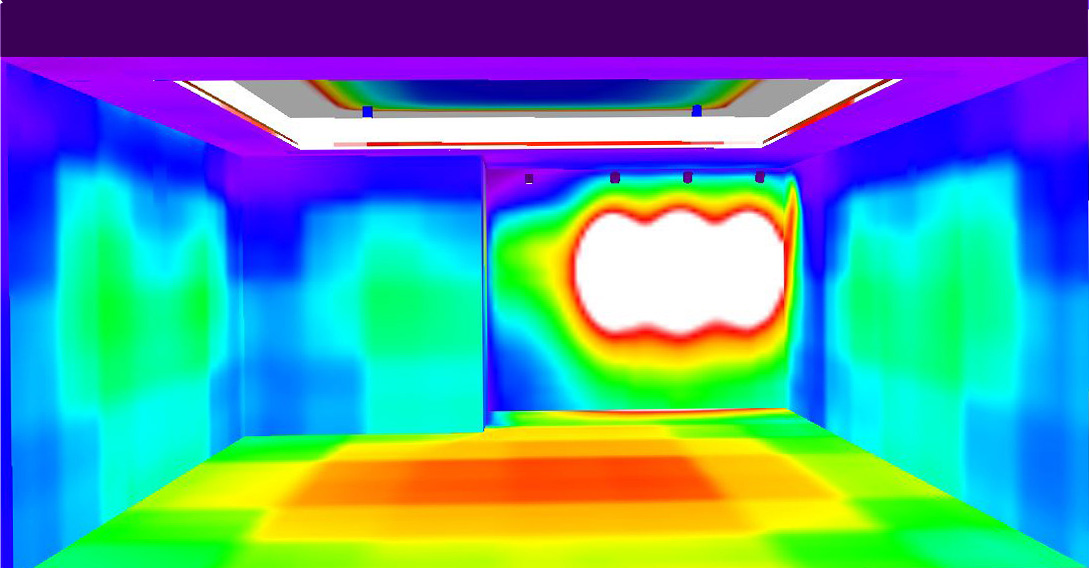
Using different combinations of the DRD2, DRD2X or DRD4 LED modules with the OneFrame trims, you can achieve general, wall wash, spot, narrow flood, flood or accent lighting. All while utilizing the same system.

A perfect match for your project

Whatever your project, DMF has trims that can integrate seamlessly into the broader design. Built from die-cast aluminium, our trims are completely customizable by color, finish, shape, and function. They can blend in, or stand out, depending on your vision. And just like the rest of the DMF system, they’re exceptionally easy to install or change.

Click here for more information on the OneFrame.

August 1, 2017

Note: This Bulletin was originally published on 08/01/24 and has been updated to reflect the new product offerings.

Why is an impact-rated fixture important?

In many applications today, a well-illuminated and secure environment is required. Examples of such environments are common areas, passageways and entry/exit areas in multi-family structures. Using light fixtures that have a proven measure of impact resistance can help maintain the environment despite what nefarious elements may try to do.

DMF Lighting provides recessed fixtures, such as the F4NC / DRD2M / DRD2TRJS family, with a low profile trim and robust polycarbonate lens, that offer a level of protection, suitable for use in common entry/exit passageway applications where impact resistance is required.


What is IK10?

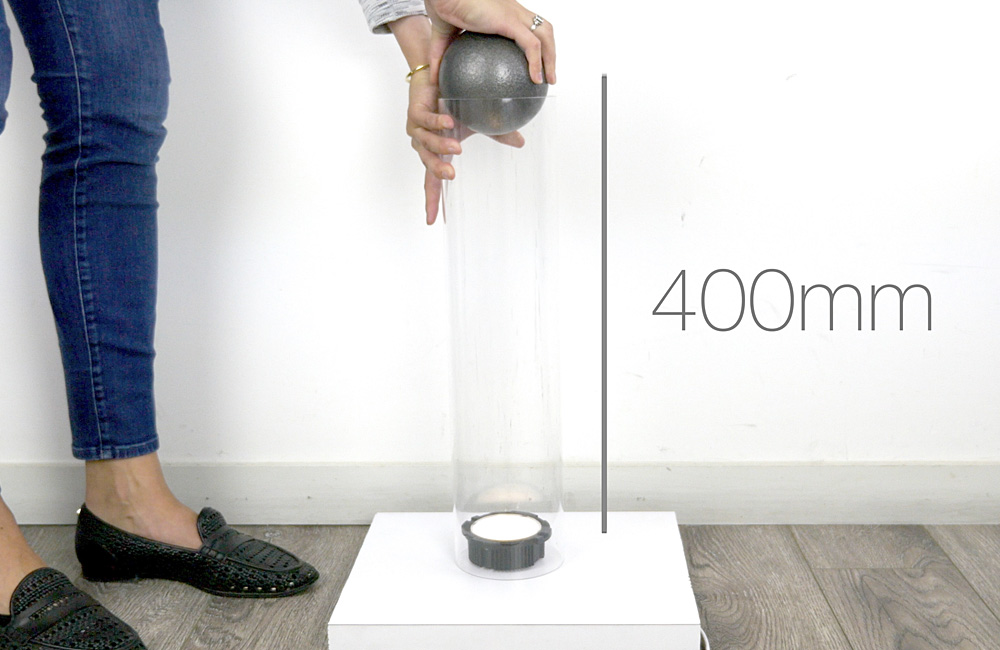
The IK rating system, developed by the International Electrotechnical Commission (IEC) in 2002, defines the degree of protection offered by electrical equipment enclosures against external mechanical impacts. The level of protection is defined by two numbers, for example, IK10. The ratings range from 00 (not protected) to 10 (protected to 20 joules of impact energy). The standard defines how an enclosure containing electrical equipment should be tested to achieve a given rating. For example, the IK10 rating requires a 5 Kg mass with a radius of 50 mm to be dropped onto the enclosure five times from a distance of 400 mm. After the test, the enclosure should exhibit no observed defects.


What rating does the DRD2M have?

The DRD2M LED module family is protected by a substantial polycarbonate lens and has been tested and found to comply to the highest level offered, IK10. The IK10 rating gives assurance that the DRD2M will withstand all but the most serious attempts to disable it.

“The DRD2M will withstand all but the most serious attempts to disable it.”

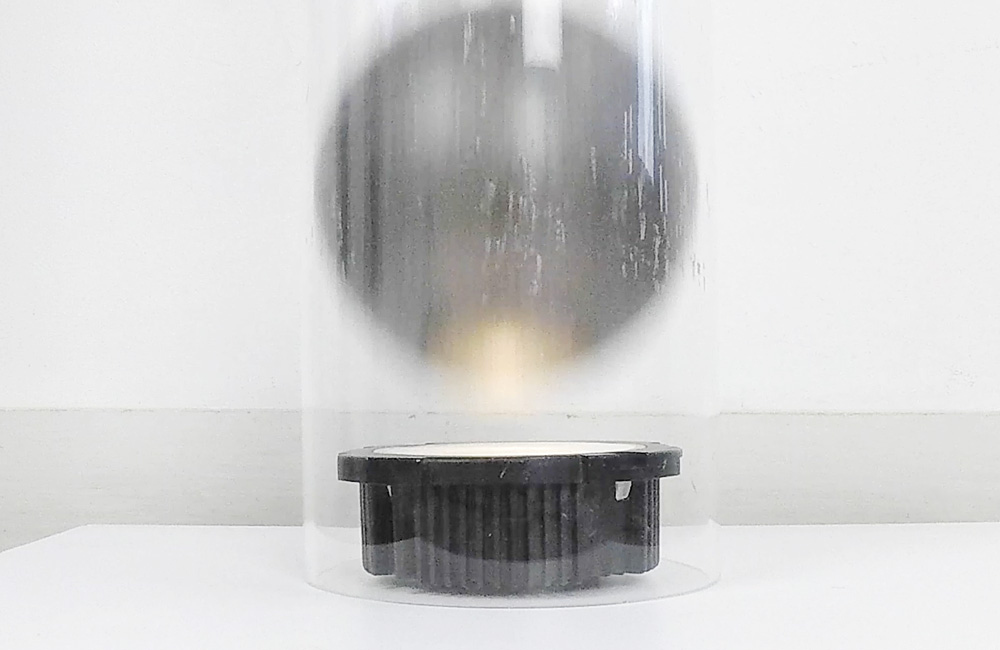
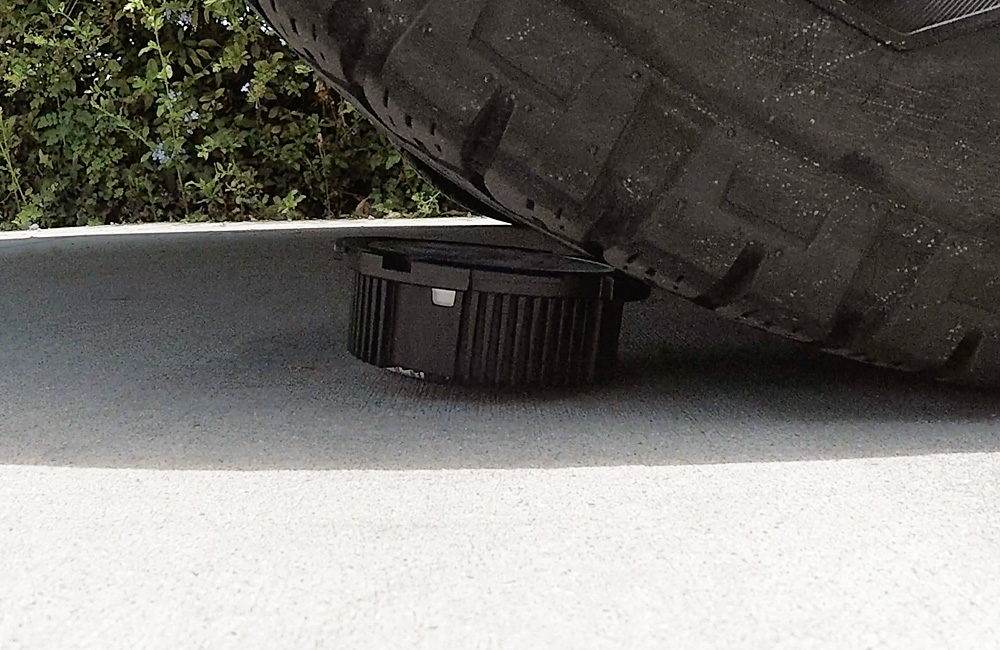
The combination of the low profile junction box trim DRD2TRJS and IK10-rated DRD2M LED module recessed mounted into a ceiling makes it almost impossible to land a knockout blow to disable it from below. A series of pictures and a video illustrating DMF’s own impact test is shown below.

Technical Bulletin: Impact-Rated Recessed Fixtures

May 25, 2017

UL 1598 Standard for Safety – Luminaires defines three moisture protection types for luminaires, Dry, Damp or Wet.

Type Definition
Dry A location not normally subject to dampness, but may include a location subject to temporary dampness, as in the case of a building under construction, provided ventilation is adequate to prevent an accumulation of moisture.
Damp An exterior or interior location that is normally or periodically subject to condensation of moisture in, on, or adjacent to, electrical equipment, and includes partially protected locations.
Wet A location in which water or other liquid can drip, splash, or flow on or against electrical equipment.


Interior luminaires are often listed as dry or damp and most exterior luminaires are listed as wet. However, there are national and local requirements for interior luminaires to be wet location listed in areas such as bathrooms and above showers.

DMF Lighting offers several luminaires, such as the DRDH/DRD2M/DRD2T, that are UL 1598 Standard for Safety – Luminaires tested and marked “Suitable for Wet Location”. The DRD2M module must be installed with a DRD2T trim with our signature Twist & Lock feature to qualify for the wet location designation.

Up to the Test

The UL 1598 Standard specifies three wet location tests that can be applied to a luminaire depending on its usage and mounting location: rain, sprinkler or immersion. A given luminaire can be subject to one or more tests to determine if it can be classified as wet location. All the tests attempt to simulate what the luminaire is likely to undergo in the environment it is intended to be used.

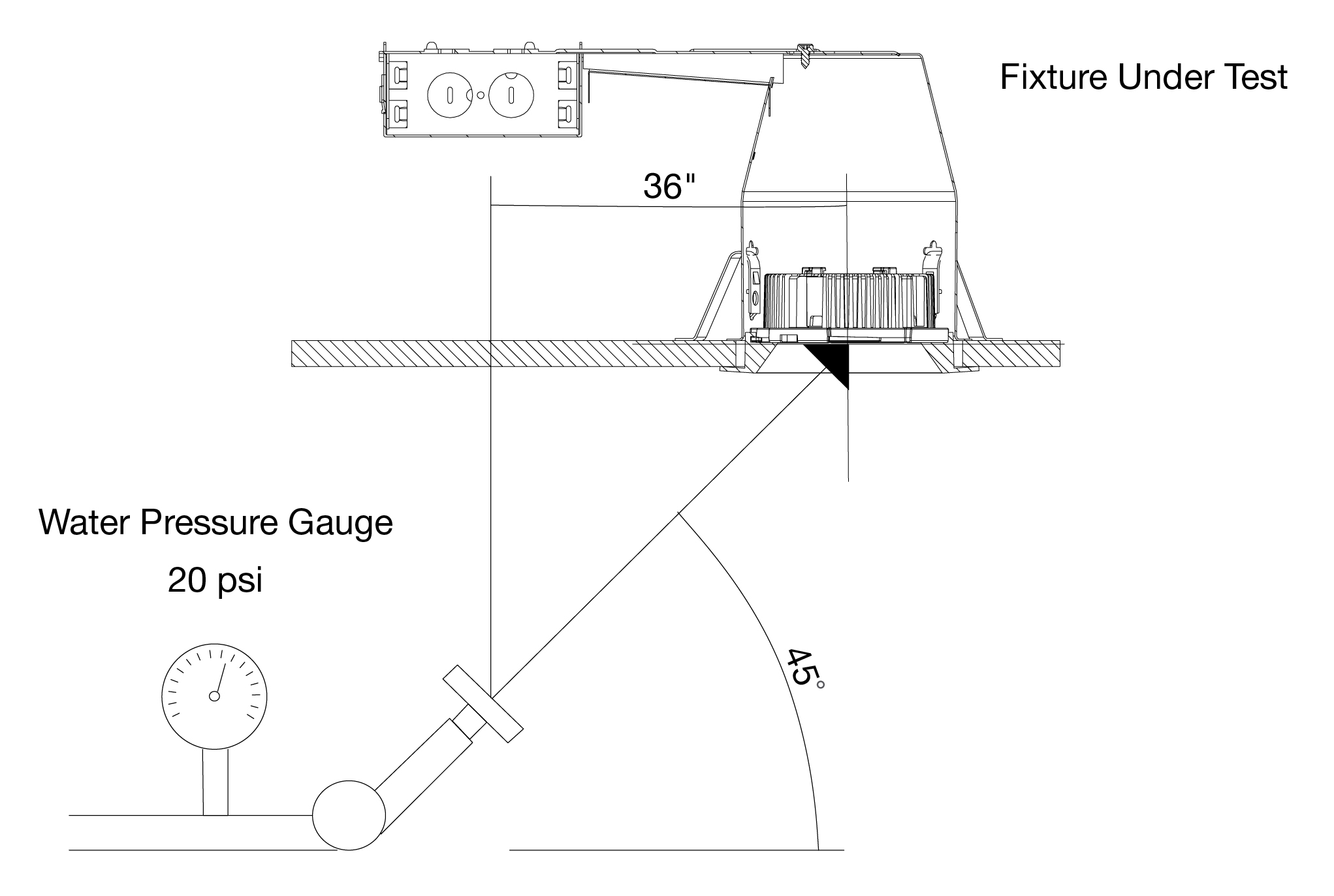
The DRDH/DRD2M/DRD2T luminaire is a recessed downlight used in ceilings that are protected from external moisture. This means that the application prevents moisture penetrating from above. To this end, the DRDH/DRD2M/DRD2T luminaire was tested using the sprinkler test. The test is arduous and is conducted with the controlled spray head pointing at the luminaire while set to 20 psi3.


The test is performed over four hours and is sequenced as follows:

  • First hour – luminaire is turned on and water jet is off
  • Next half hour – luminaire is turned off and water jet is on
  • Next two hours – luminaire is turned on and water jet is on
  • Last half hour – luminaire is off and water jet is on

After the test is complete, the luminaire is subjected to a dielectric voltage withstand test and fully inspected to make sure that no water intrusion occurred that could cause a hazard or the luminaire to malfunction.

Technical Bulletin: Wet Location Luminaires

May 19, 2017

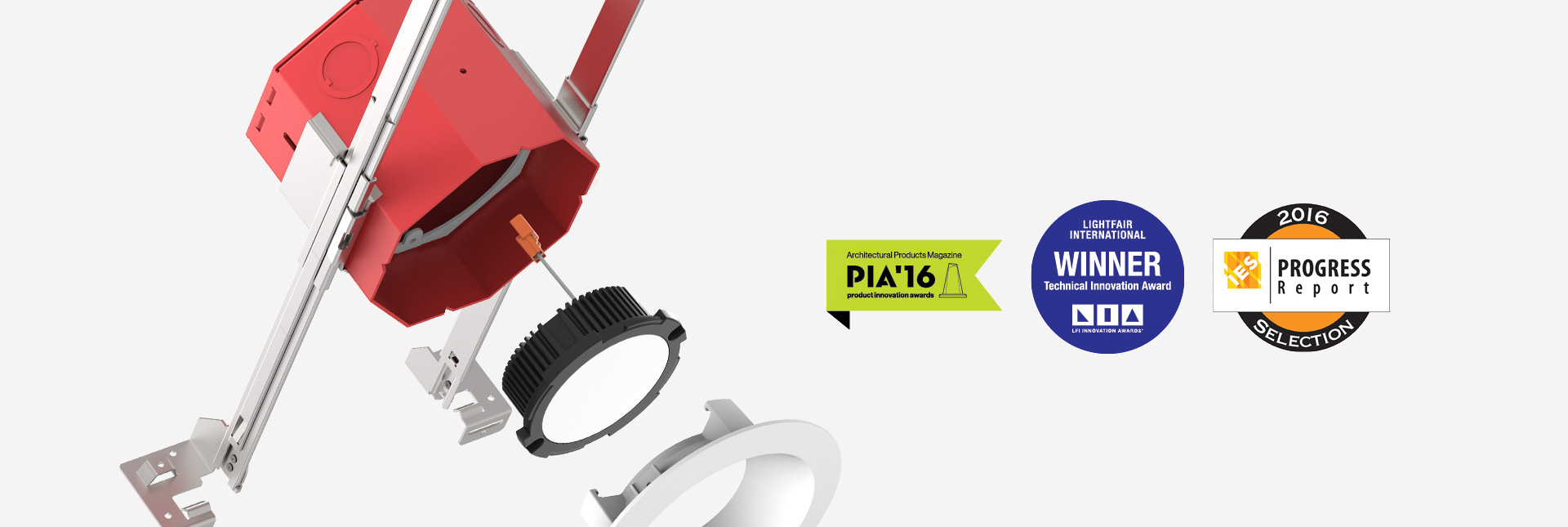
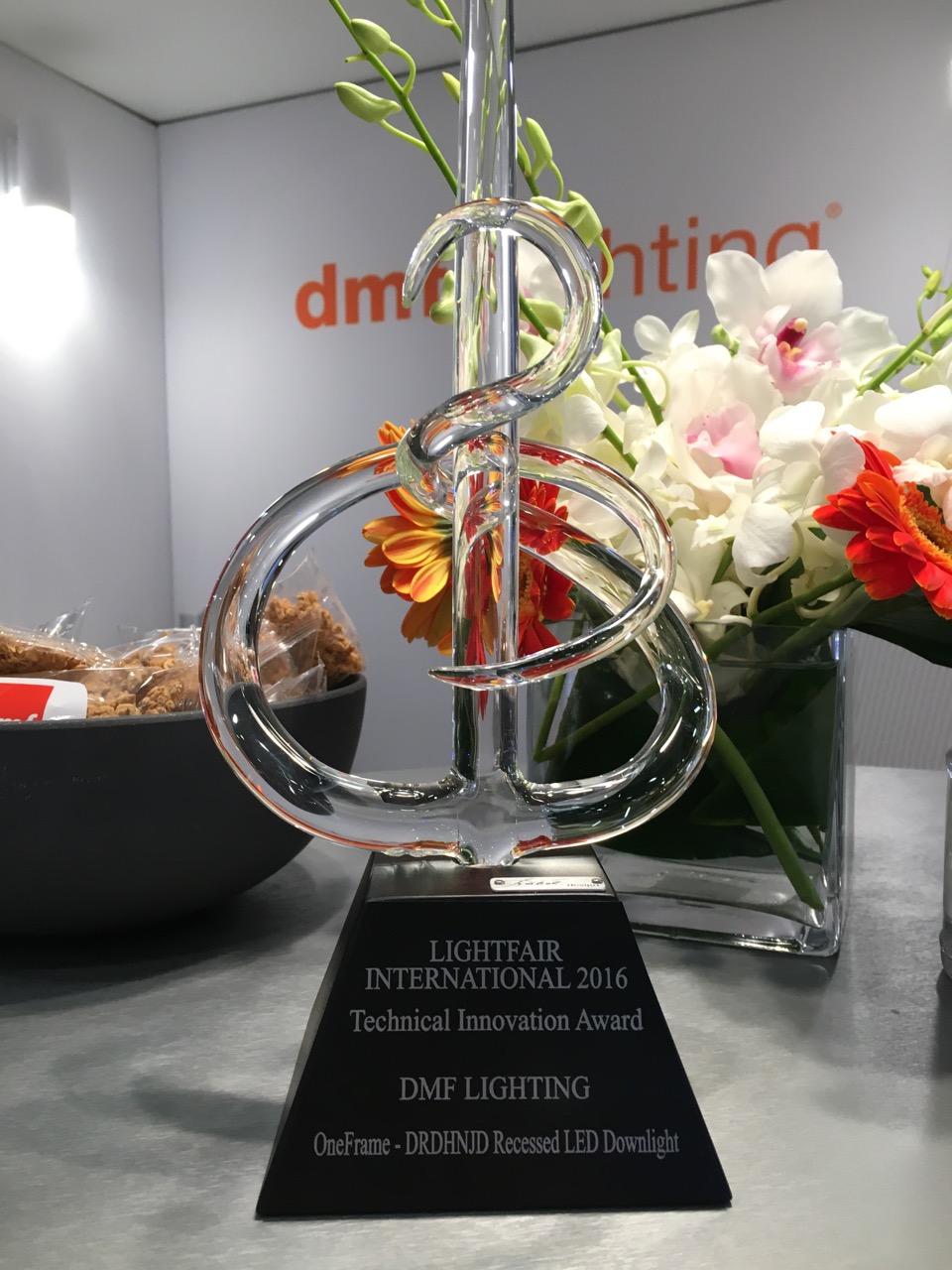
DMF Lighting is proud to have the OneFrame DRDHNJD honored with three prestigious industry achievements: Technical Innovation Award winner by the International Association of Lighting Designers (IALD), Product Innovation Award (PIA) from Architectural Products Magazine and selection to the Illuminating Engineering Society (IES) Progress Report.

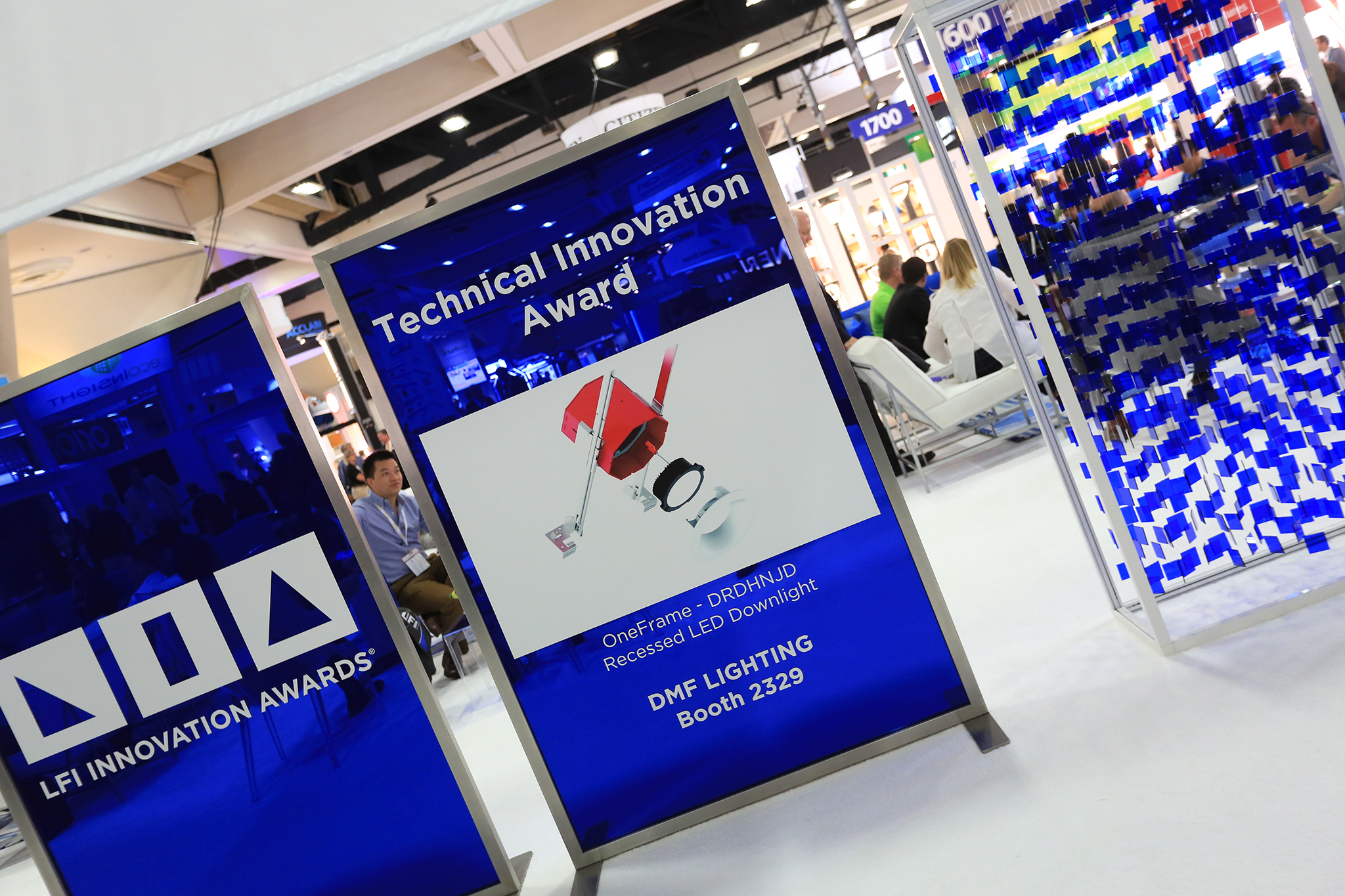
At LIGHTFAIR International 2016, OneFrame was named the winner of the Technical Innovation Award from a field of 275 entries, exemplifying one of the industry’s most innovative products introduced that year. In addition, OneFrame was also the category winner for Recessed Downlights.

The OneFrame won in the 2016 PIA category for Lighting/Electrical: Interior. PIA recognizes outstanding products within built environments and honored OneFrame for its ease of compliancy in a wide range of installed applications thanks to its built-in fire and sound ratings.

Rounding out its achievements, OneFrame’s selection to the 2016 IES Progress Report recognizes it as a development in the art and science of lighting throughout the world.

What makes OneFrame such an innovative product is its unique low profile and small aperture design combined with its safety and features listings. The OneFrame provides high-quality, cost-effective LED lighting in practically any space. It’s performance and value all in one compact package.

Learn more about M Series Residential

May 17, 2017

Section 410.10 (D) Bathtub and Shower Areas of the 2014 NEC requires that downlight luminaires located within the outside dimension of a shower be wet location listed if subject to shower spray. Some local codes, such as the City of Seattle Electrical Code, go one step further than the NEC (National Electrical Code) and add that luminaires with exposed metal parts must be ground fault circuit interrupter protected (GFCI).

The requirement to add GFCI protection to the luminaire circuit within the shower or bathtub zone adds complexity and cost. As an alternate, contractors can utilize non-conductive dead front trims to get around the GFI requirement as it is only applicable to grounded metal trims.

What is a dead front trim?

The term dead-front is defined by the NEC (National Electrical Code) as, “Without live parts exposed to a person on the operating side of the equipment,” and usually applies to electrical panels, in which the front or accessible part is insulated from line voltage and can be operated without receiving an electric shock. In recessed luminaires, the term dead-front usually implies the trim is constructed out of a material such as polycarbonate, with good electrical insulation properties that likewise does not conduct electricity.

Why is this feature useful?

The 2014 NEC, in section 410.10 (D) Bathtub and Shower Areas states, “No parts of cord-connected luminaires, chain-, cable-, or cord-suspended luminaires, lighting track, pendants, or ceiling-suspended (paddle) fans shall be located within a zone measured 900mm (3ft) horizontally and 2.5 m (8ft) vertically from the top of the bathtub rim or shower stall threshold. This zone is all encompassing and includes the space directly over the tub or shower stall. Luminaires located within the actual outside dimension of the bathtub or shower to a height of 2.5 m (8 ft) vertically from the top of the bathtub rim or shower threshold shall be marked for damp locations, or marked for wet locations where subject to shower spray.”

The NEC only requires that downlight luminaires located within the outside dimension of a shower, be wet location listed, if subject to shower spray. Some local codes such as the City of Seattle Electrical Code2 go one step further than the NEC and add: “Luminaires, with exposed metal parts that are grounded, must be ground fault circuit interrupter protected.”

The requirement to add GFCI protection to the luminaire circuit within the shower or bathtub zone adds complexity and cost. Contractors may opt to use the dead-front trim as an alternative to GFCI requirement, as it is only applicable to grounded metal trims.

DMF’S Dead Front Trims & Luminaires

DMF offers several different trims and luminaires which completely cover the metal parts of the underlying luminaire, thus creating a non-conductive electrical insulation barrier or dead-front. Look for the “DF” option at the end of any trim or product code to indicate dead-front, and see the complete list below for DMF’s different dead-front options.

• M Series Residential Square and Round Downlight – M4TxSWHDF

• S Series 4” Round 750lm in 2700k or 3000k – DRD5S4R079xxxDF

• C Series – All C Series Trims are naturally non-conductive


Technical Bulletin: Dead Front Trims